/ BLOG
Older articles
Older posts remain fully searchable and permanently available under the same article URL.
64 results

Veeam 13.1.1 Is the Upgrade Baseline
Backup and RecoveryVeeam's first 13.1 hotfix addresses several post-upgrade failures, so release selection, estate prechecks, rollback evidence, and recovery tests belong in one change.
Storage Density Expands the Failure Domain
Virtualization and StorageDell's 9.83 PB in 2U headline reduces rack footprint, but capacity concentration changes rebuild exposure, thermal planning, service logistics, and recovery validation.
Successful Login Auditing Needs the Right Channel
SQL Server OperationsRecording every successful SQL Server login in the error log can bury incidents; SQL Audit, Extended Events, filters, retention, and ownership should follow the actual evidence requirement.
Partition Maintenance Needs Scope Verification
SQL Server OperationsAn August Ola Hallengren fix for whole-index work triggered during partition maintenance shows why command scope, log growth, blocking, and automation versions must be verified together.
CHECKDB Jobs Can Skip RESOLVING Databases
SQL Server OperationsA maintenance fix for availability groups in RESOLVING state makes command-level evidence and catch-up checks necessary before a successful integrity job can be trusted.
AG RESOLVING Can Hide Backup Gaps
SQL Server OperationsAn Ola Hallengren fix for availability groups in RESOLVING state shows why a recovered cluster and a successful job status do not prove that every database was backed up.
TempDB Shrink Is an Emergency Measure
SQL Server OperationsNew dbatools support for forced TempDB file reduction does not turn shrink into routine maintenance; usage, blocking, target size, restart alternatives, and regrowth still govern the decision.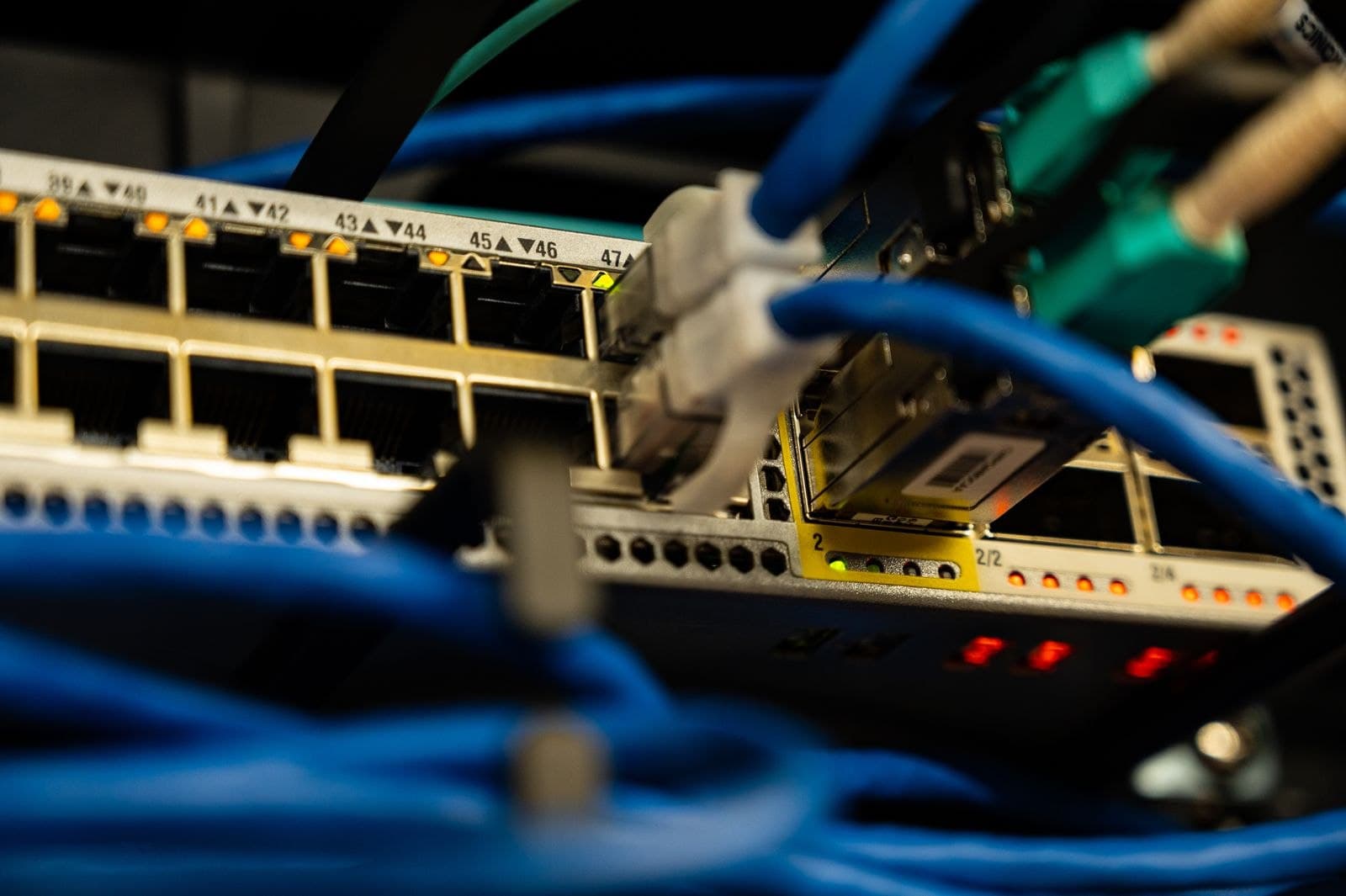
SQL Extended Protection Starts With SPN Inventory
SQL Server Operationsdbatools support for accepted SPNs makes SQL Server Extended Protection easier to automate, but aliases, listeners, TLS, CBT, and client compatibility still define a safe rollout.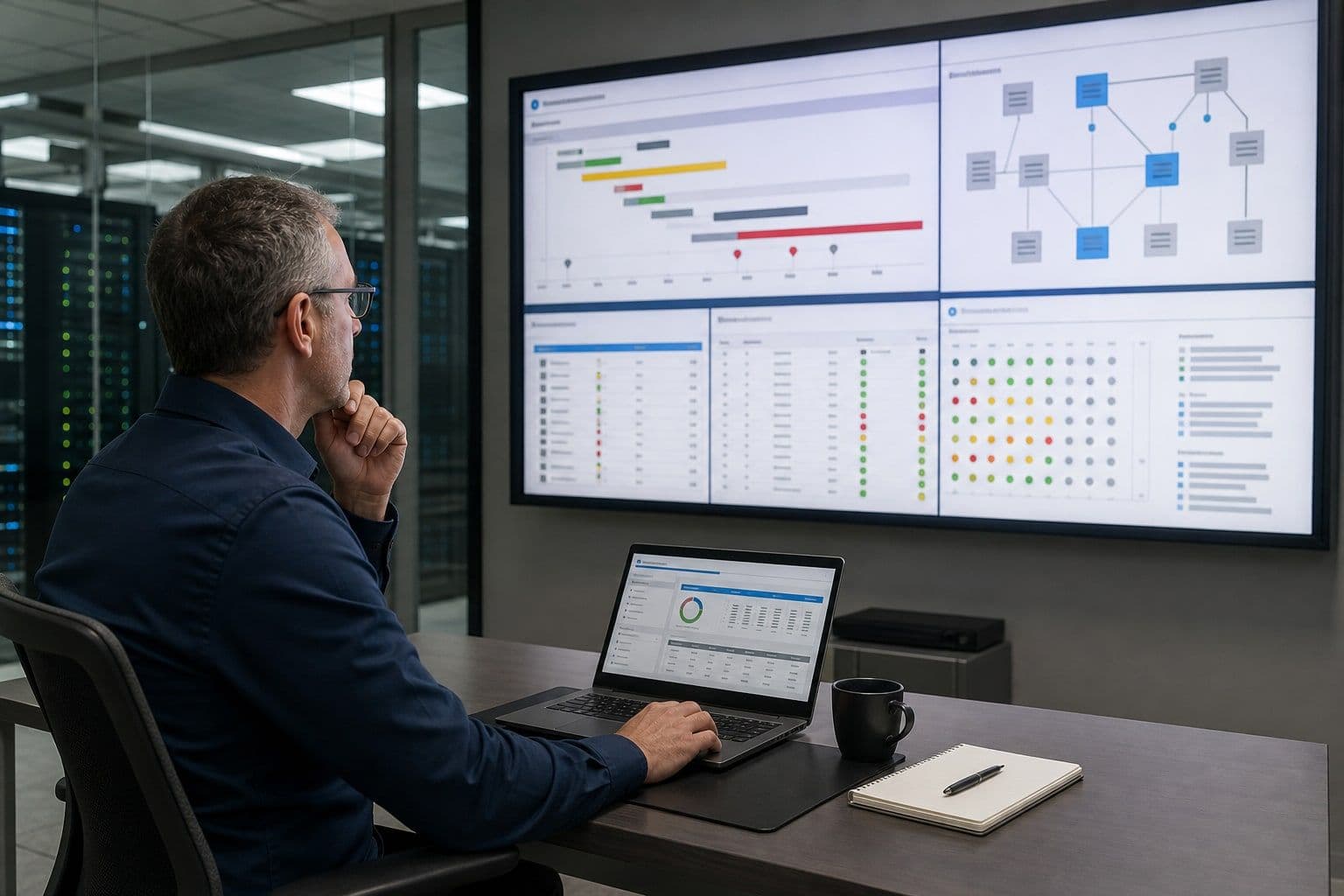
Windows Server 2022 Mainstream Support Is Ending
Infrastructure StrategyThe October end of Windows Server 2022 mainstream support is not end of life, but it changes feature fixes, support expectations, hotpatch planning, and application lifecycle decisions.
Add a Log Shipping Secondary Without Rebuilding
SQL Server OperationsNew dbatools support for adding a secondary to existing log shipping makes expansion easier, but initialization, jobs, monitoring, and RPO still need end-to-end validation.
Copy-Only Backups Can Break PITR Assumptions
SQL Server OperationsA dbatools restore fix shows why valid copy-only backups, differential bases, log chains, and STOPAT recovery must be tested as one point-in-time restore path.
A vSAN Hardware Refresh Needs a Migration Decision
Virtualization and StorageReplacing vSAN hosts in place and building a new cluster create different rebuild, resilience, rollback, and capacity risks that must be decided before procurement becomes a change plan.
Windows iSCSI Target Is Storage and Attack Surface
Security and IdentityThe August Windows iSCSI Target vulnerability requires storage-path inventory, initiator mapping, failover validation, and security patching in the same maintenance plan.
PowerShell Patching Belongs on Every Automation Host
Security and IdentityThree August PowerShell vulnerabilities make runtime discovery, parallel-version control, module testing, and independent servicing mandatory on automation hosts.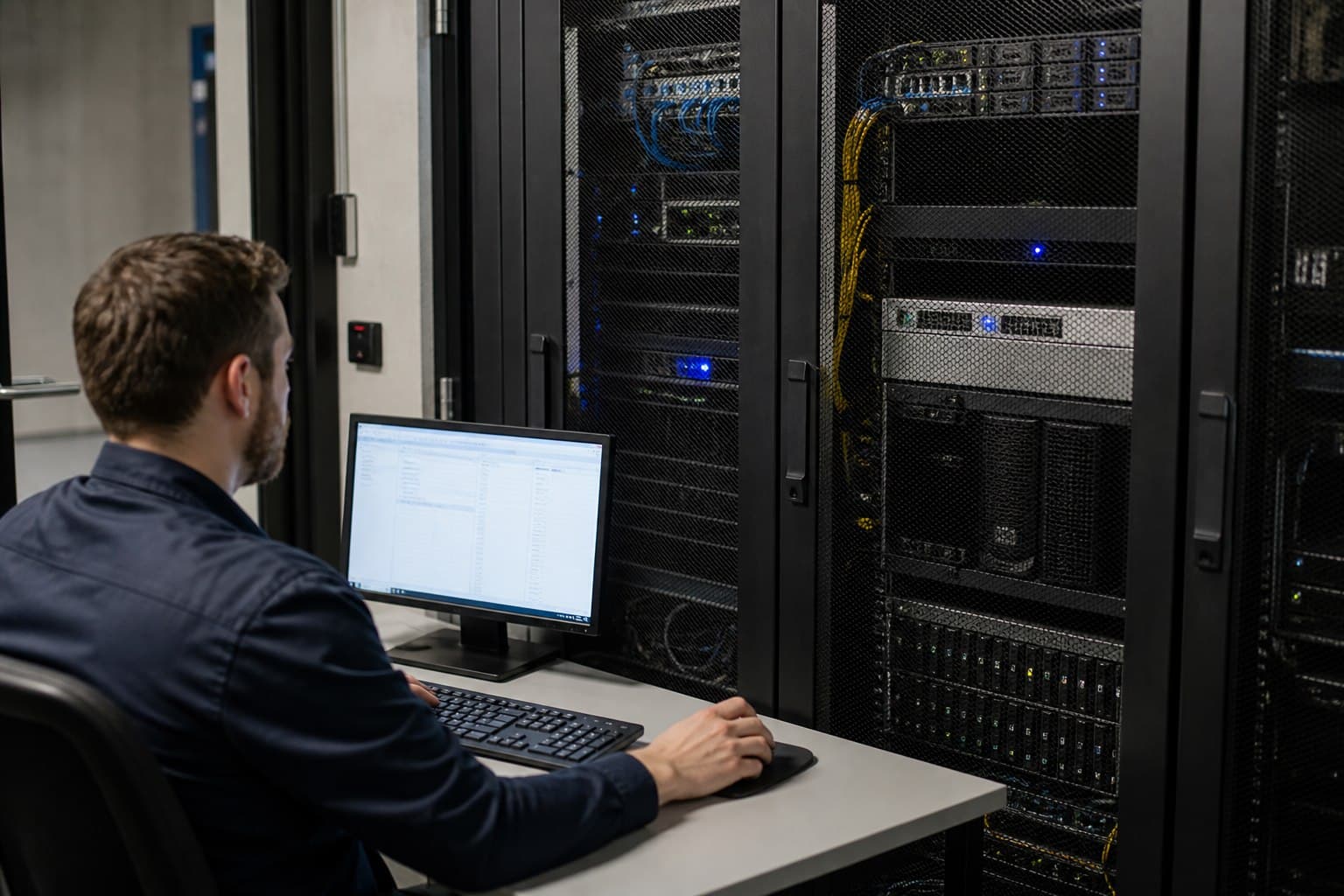
Entra Connect Remains a Tier-Zero Server
Security and IdentityThe August Entra Connect vulnerability makes local sync-server versions, staging nodes, service accounts, and privileged upgrade paths part of one tier-zero control.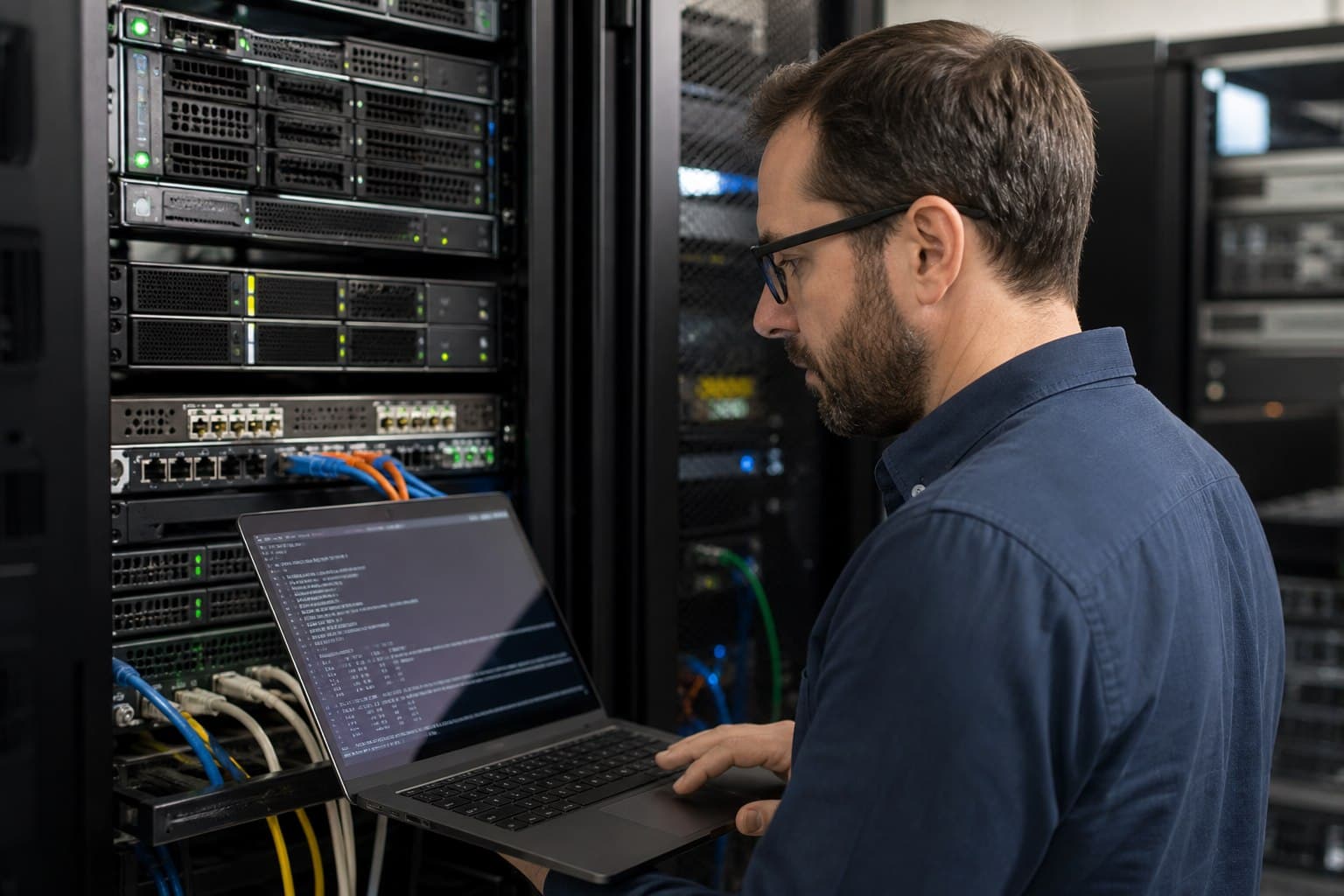
ESXCLI 9.1 Can Break Old Automation
Virtualization and StorageESXCLI 9.1 modernizes installation, Python support, certificate validation, and logging, but each improvement can break established VMware administration paths.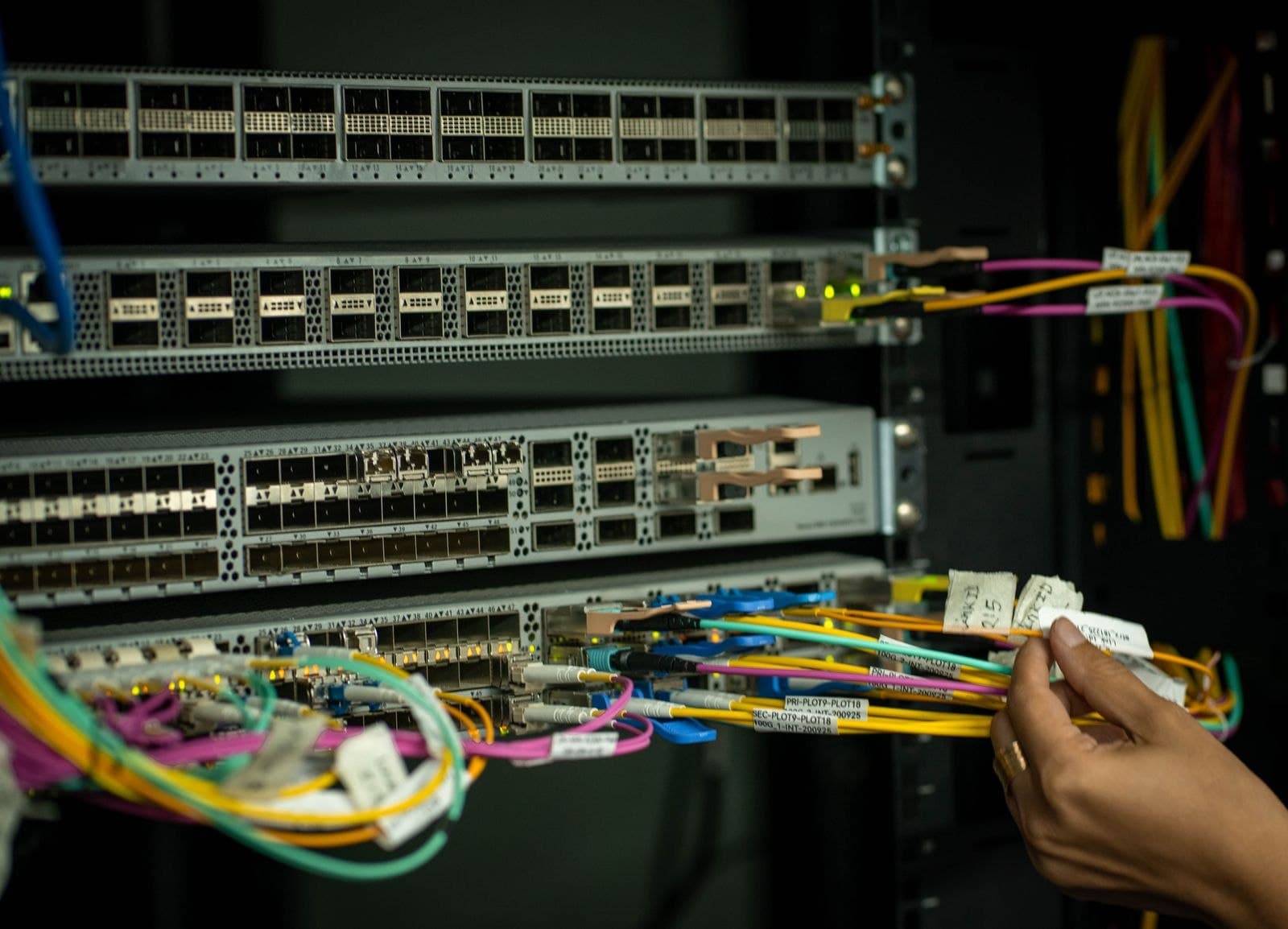
LDAPS Does Not Protect the LDAP Parser
Security and IdentityTwo August LDAP remote-code-execution fixes show why transport encryption, server patching, application inventory, and protocol regression tests solve different parts of directory risk.
Domain Controllers Need Their Own Change Window
Security and IdentityThe August AD DS vulnerability reinforces why domain controllers require site-aware patch rings, replication evidence, and authentication tests rather than generic server maintenance.
Legacy WDS TFTP Is Still an RCE Surface
Security and IdentityA critical August WDS TFTP vulnerability turns forgotten PXE infrastructure into a reason to inventory deployment servers, validate boot paths, and remove unused roles.
DHCP Failover Needs a Security Patch Runbook
Security and IdentityThe August Windows DHCP Server vulnerability makes relay paths, failover state, authorization, and lease continuity part of one security maintenance procedure.
Windows 10 LTSC 2021 Becomes a Paid Exception
Infrastructure StrategyThe approaching end of Windows 10 Enterprise LTSC 2021 support turns every remaining installation into a migration, hardware, application, or paid-ESU decision.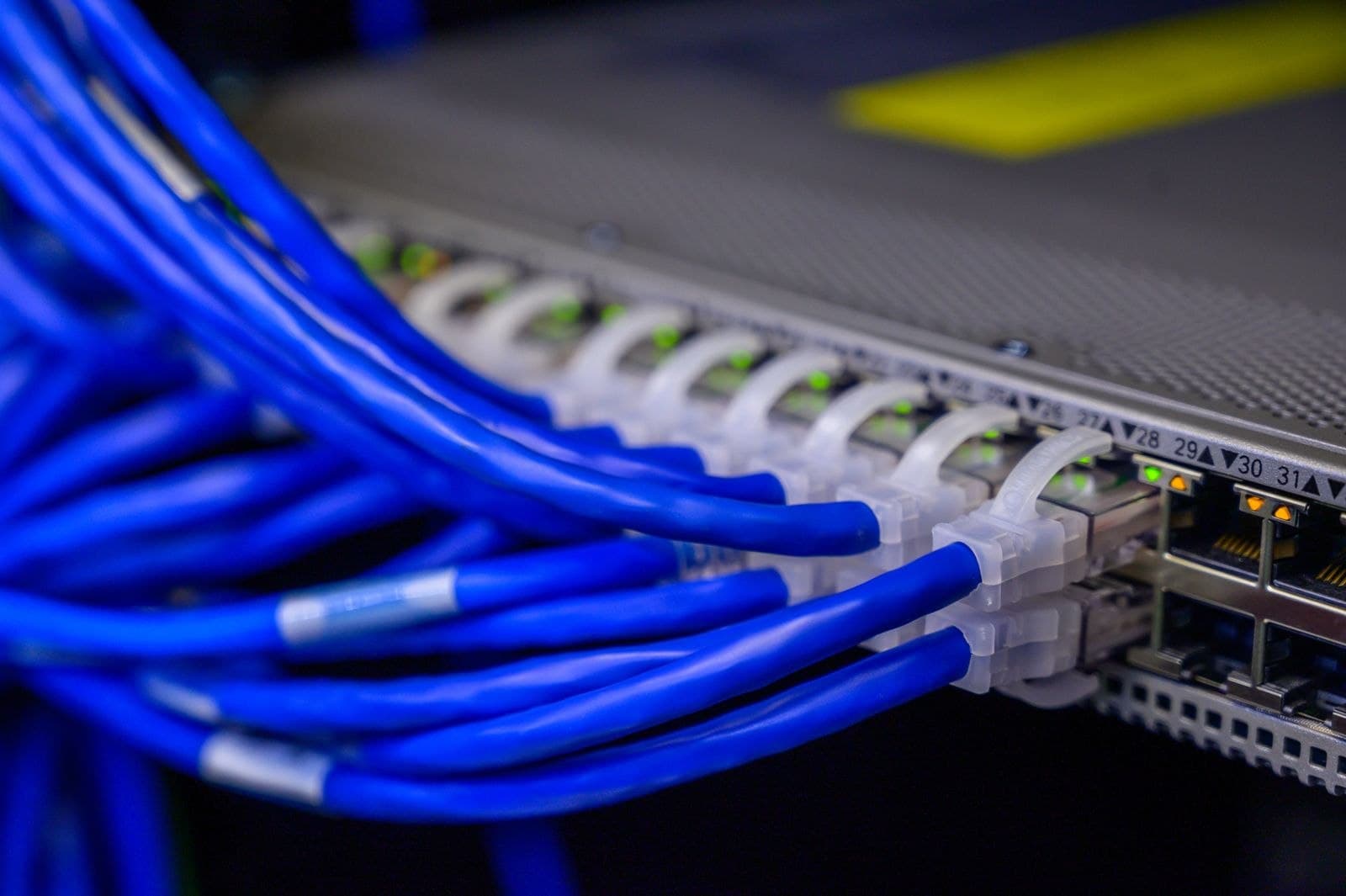
Windows DNS Roles Need Their Own Patch Class
Security and IdentityFour August remote-code-execution fixes make Windows DNS servers and DNS-enabled domain controllers a distinct infrastructure patch class with their own validation runbook.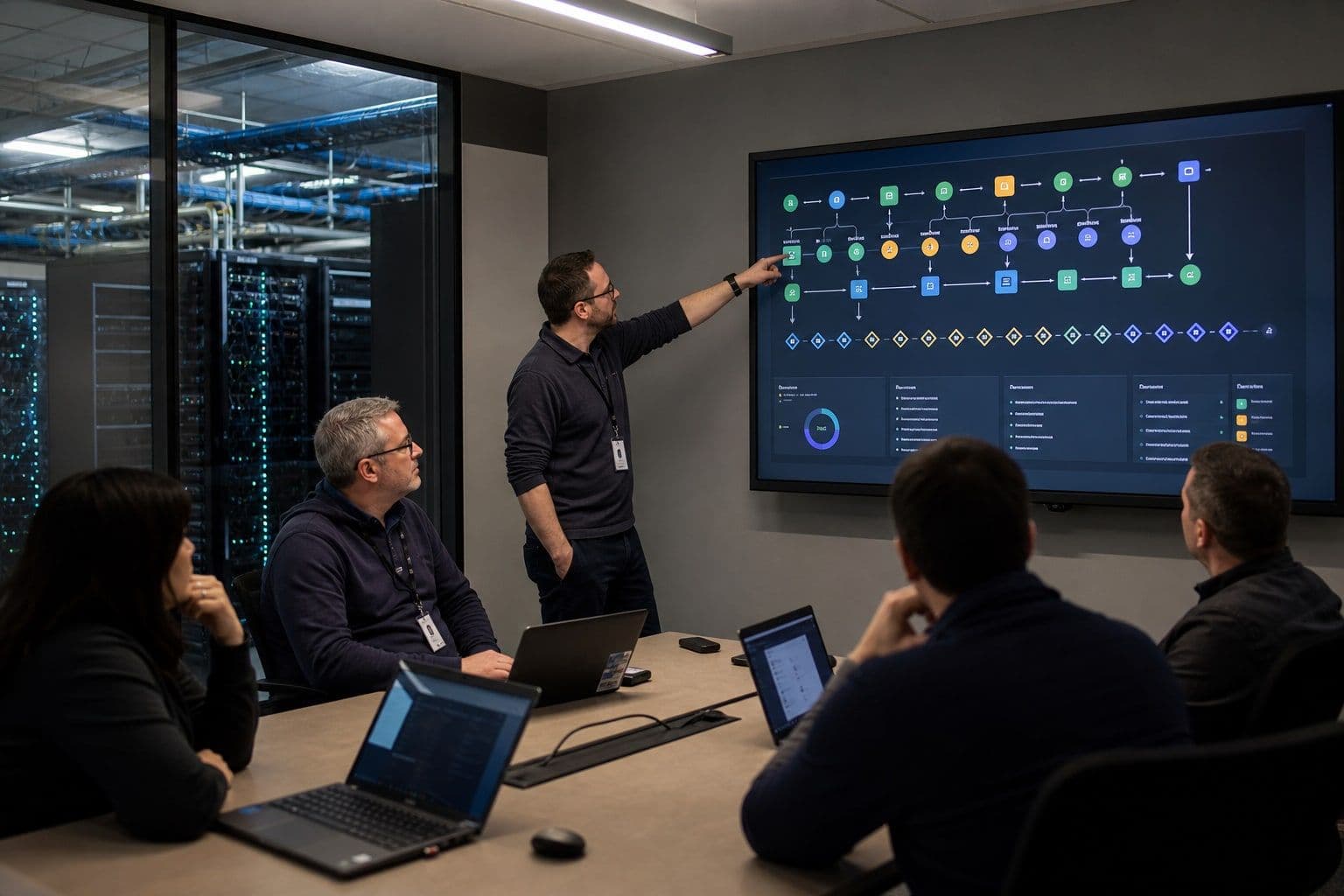
VCF 5.2 to 9.1 Upgrades Start With Readiness
Virtualization and StorageThe VCF 5.2.x to 9.1 path makes DNS hygiene, credential rules, management-service changes, capacity, and rollback evidence prerequisites for the upgrade window.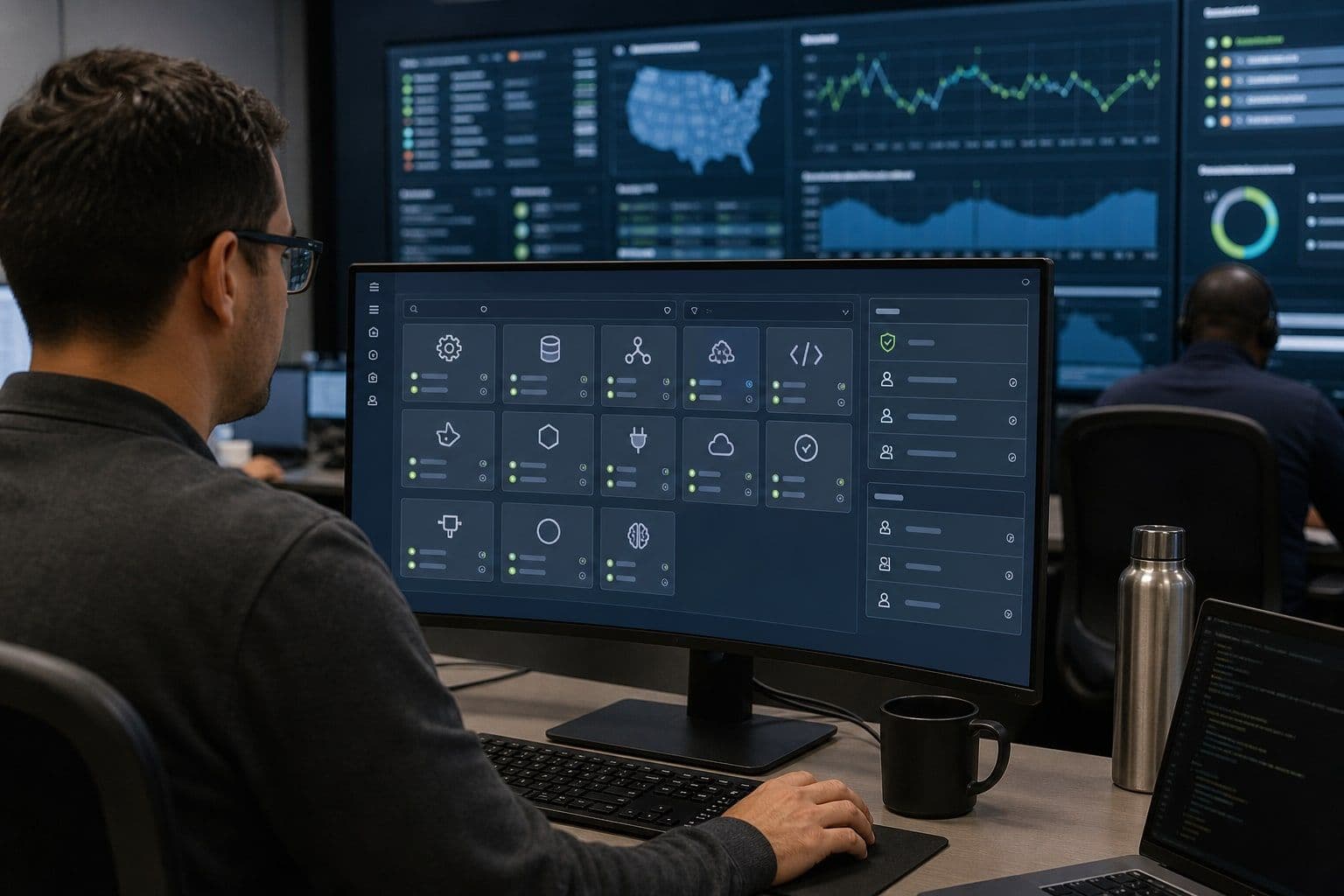
MCP Catalogs Need Platform Governance
Infrastructure StrategyA curated MCP catalog can make AI tools deployable on OpenShift, but platform teams still own provenance, credentials, network reach, lifecycle, and removal.
Intune Agentic Identity Changes Policy Trust
Security and IdentityMoving the Intune Policy Configuration Agent to an Entra agentic identity changes how teams should review permissions, audit activity, and incident ownership.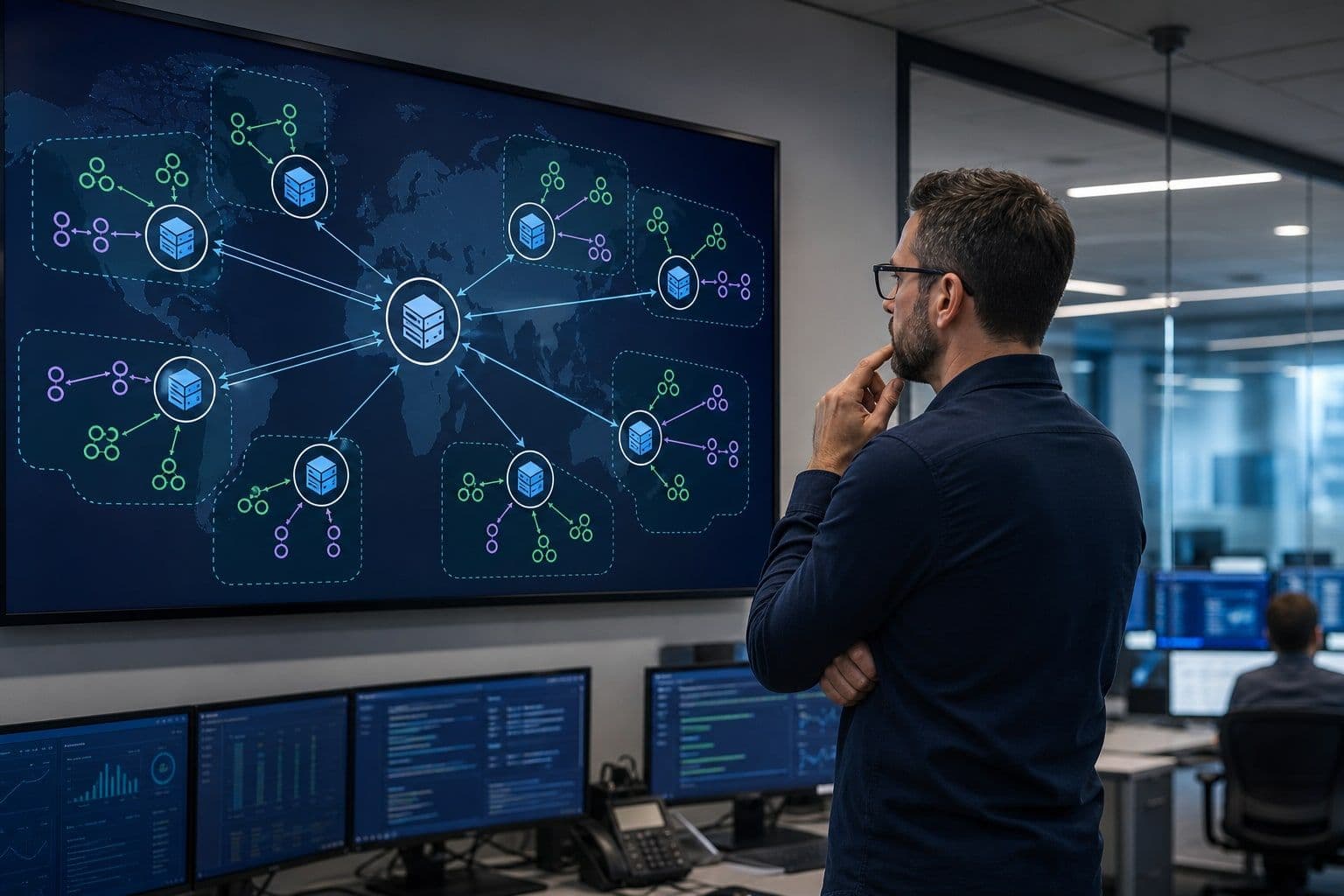
Satellite Capsule Scaling Is a Topology Decision
Infrastructure StrategyRed Hat Satellite Capsule Servers improve scale and locality only when content flow, network boundaries, capacity, and failure ownership are designed together.
Cyber Recovery Needs an Isolated Clean Room
Backup ArchitectureModern recovery has to verify clean workloads and coordinate infrastructure with security before restored systems are allowed back into production.
New Microsoft 365 Intune Entitlements Need an Audit
Infrastructure StrategyThe August entitlement rollout can leave organizations paying twice or enabling controls without ownership unless licensing, RBAC, and policy use are reviewed together.
AI-Executed Linux Commands Need Three Control Layers
Infrastructure StrategyRed Hat's guarded command-execution preview shows that AI-assisted Linux operations need policy review, human approval, and runtime isolation before action.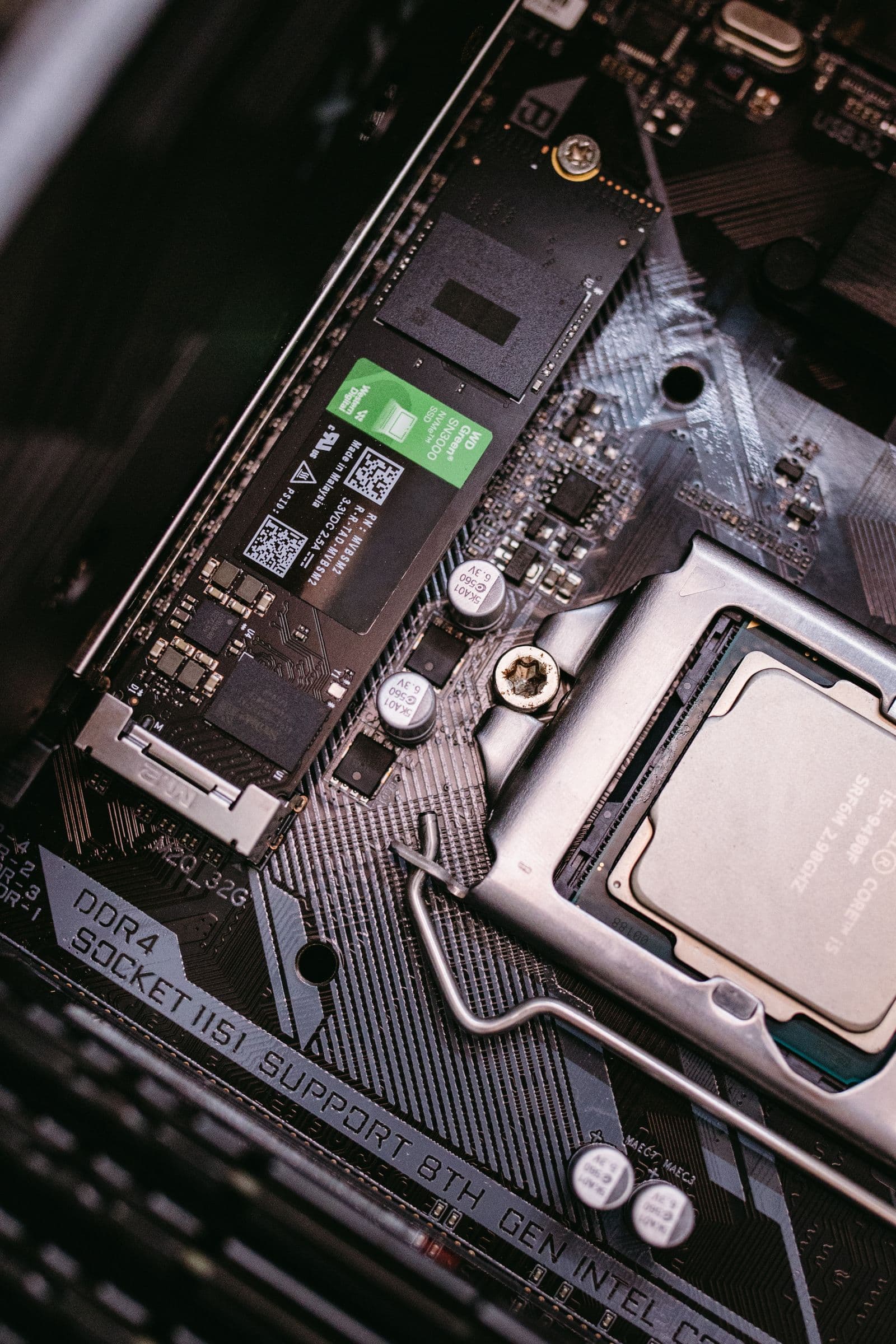
Trusted Launch for Hyper-V Is a Boundary Test
Virtualization and StorageThe Windows Server preview brings Secure Boot and protected vTPM state to local Hyper-V VMs, but migration and management gaps define where it can be tested safely.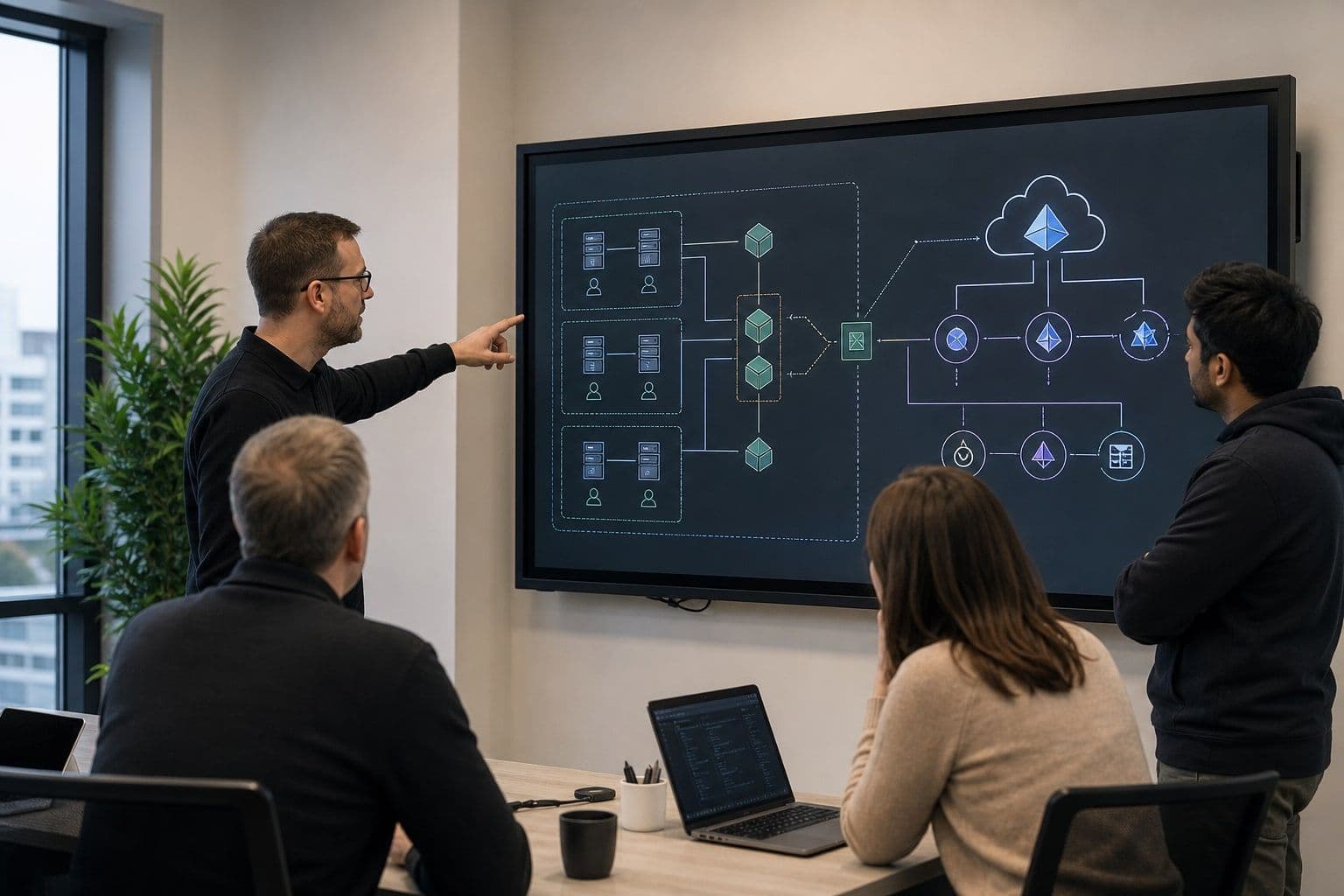
Entra Cloud Sync Migration Starts With Fit
Security and IdentityMicrosoft's tenant-specific transition notices make Cloud Sync assessment current work, but complex hybrid identity should move only after topology and feature fit are proven.
Agentless Inventory Still Needs a Trust Model
Infrastructure StrategyRed Hat discovery can inventory disconnected estates without persistent agents, but credentials, network reach, incomplete evidence, and scan ownership still need design.
Defender Controlled Configuration Needs One Authority
Security and IdentityIntune's controlled configuration preview can reduce Defender drift only after teams decide how GPO, ConfigMgr, scripts, Intune, and MDE divide ownership.
Intune Registry Inventory Without Remediation Scripts
Infrastructure StrategyRegistry inventory in Intune can replace many read-only collection scripts, but only when teams define data ownership, scope, privacy, and query discipline first.
Kerberos RC4 Enforcement Needs an Application Inventory
Security and IdentityThe July Kerberos enforcement change turns old service accounts, appliances, and cross-platform integrations into an application-compatibility test for Active Directory teams.
Passkeys Before SMS and Voice Retirement
Security and IdentityMicrosoft's September passkey rollout makes authentication-method inventory, registration readiness, and support ownership immediate Entra operations work.
Cloud Redundancy Ends at Shared Failure Domains
Backup and RecoveryGoogle Cloud's July 2026 europe-west4 outage shows why two power feeds, backup power, and a cloud zone can still share enough infrastructure to fail together.
Automatic Plan Correction Needs Query-Level Guardrails
SQL Server OperationsMicrosoft's current guidance for sp_configure_automatic_tuning shows how DBAs can keep automatic plan correction while excluding exceptional queries and documenting the boundary.
VCF 9.1 Makes VMware Observability More Portable
Virtualization and StorageVCF 9.1 exposes real-time infrastructure metrics through PromQL and standard APIs, creating a chance to connect VMware operations to a wider observability model instead of another isolated dashboard.
June Windows Updates Turn Recovery Into Patch Readiness
Security and IdentityMicrosoft's June 2026 Windows Server updates show why patching now has to include BitLocker recovery readiness, WSUS visibility checks, and evidence that the update path can still be operated under pressure.
SQL Server Error 7416: The Security Patch That Broke Linked Servers
SQL Server OperationsSQL Server servicing now exposes a linked-server risk that often hides in application paths: MSDASQL definitions with provider strings can fail for non-sysadmin logins even when the mappings look correct.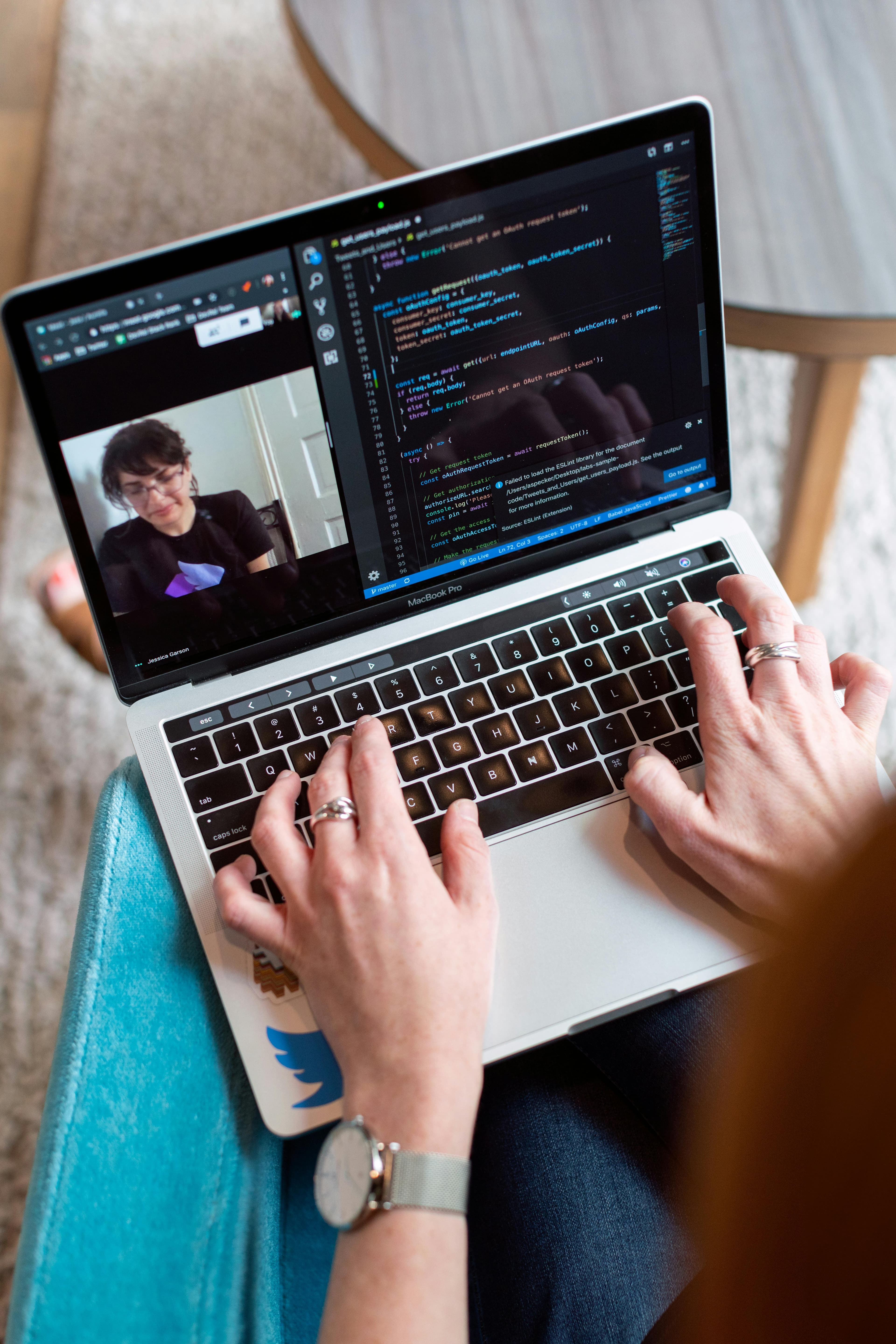
Anthropic's Valuation Lead Is an Infrastructure Signal
Infrastructure StrategyAnthropic's $65 billion Series H at a $965 billion valuation is not just another AI funding headline. It shows how quickly the frontier AI contest has moved toward enterprise deployment, compute access, and operating trust.
AI Security Compresses the Patch Window
Security and IdentityOpenAI Daybreak, Microsoft MDASH, and the 2026 Verizon DBIR point to the same operational problem: vulnerability discovery is accelerating faster than many patch and validation processes can absorb.
Veeam v13.1 Makes Identity Recovery a Backup Topic
Backup ArchitectureVeeam Data Platform v13.1 matters less as another feature release and more as a signal that recovery now has to include identity, security posture, and operational context.
AI Datacenters Are Becoming Grid Participants
Infrastructure StrategyThe latest datacenter signal is not only that AI needs more power. NERC, PJM, Dell, and current industry reporting show that dense compute now has to be planned as part of grid behavior, facility design, and operational responsibility.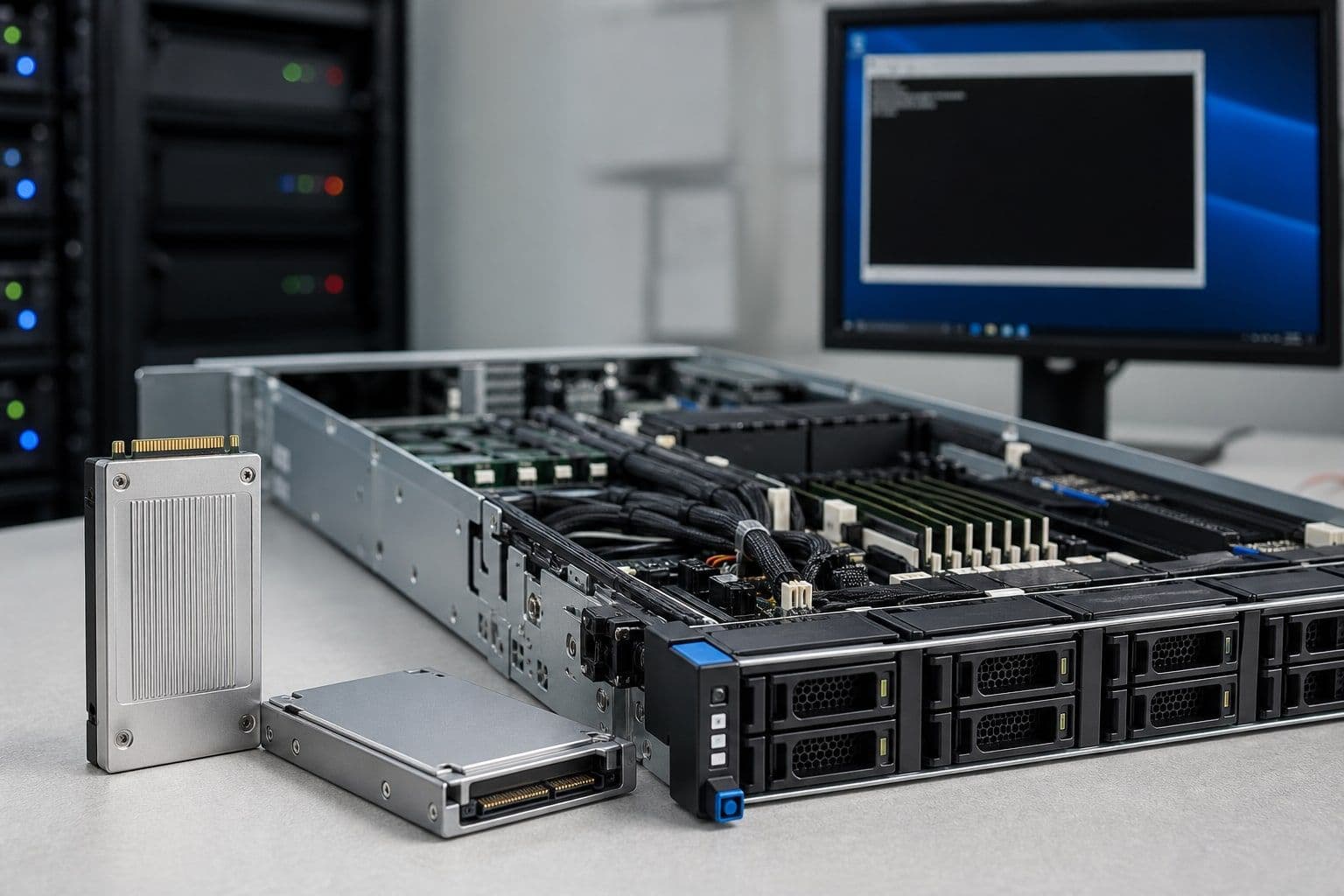
Native NVMe Is a Windows Server Operations Decision
Windows Server StorageMarch and April 2026 testing around Windows Server native NVMe shows real read-path gains, but the operational question is still where the new storage stack belongs in production.
Hotpatching Still Needs a Reboot Plan
Windows Server OperationsThe March and April 2026 Windows Server hotpatch cycle shows the real value of fewer restarts, but also why baseline months and out-of-band fixes still need disciplined planning.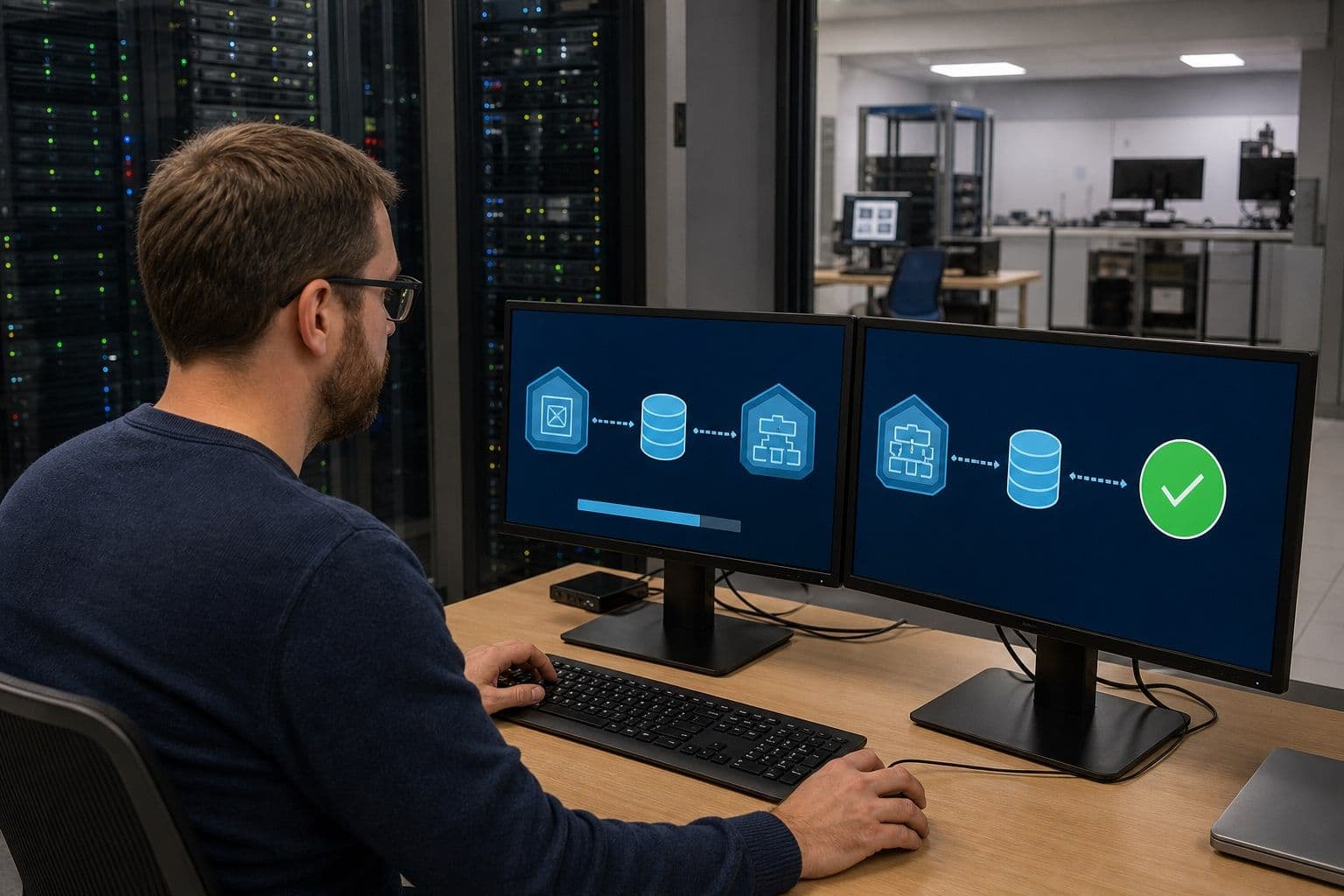
Veeam and HPE Morpheus Show Backup Has to Follow the Hypervisor
Backup ArchitectureVeeam's March 2026 HPE Morpheus VM Essentials support shows why backup architecture can no longer assume one virtualization platform will carry every workload.
Private Cloud Is Becoming an Operating Boundary
Infrastructure StrategyThe latest private-cloud signal is not a return to old datacenter thinking. VCF 9.1, IBM Sovereign Core, and Azure Local point to infrastructure that can prove where AI runs, who controls it, and how it is governed.
AI Is Making Storage Tiering an Operational Decision
Infrastructure StrategyThe 2026 storage signal is not that flash replaces disks or that capacity alone wins. AI is forcing teams to design clearer hot, warm, and protected data paths before procurement pressure does it for them.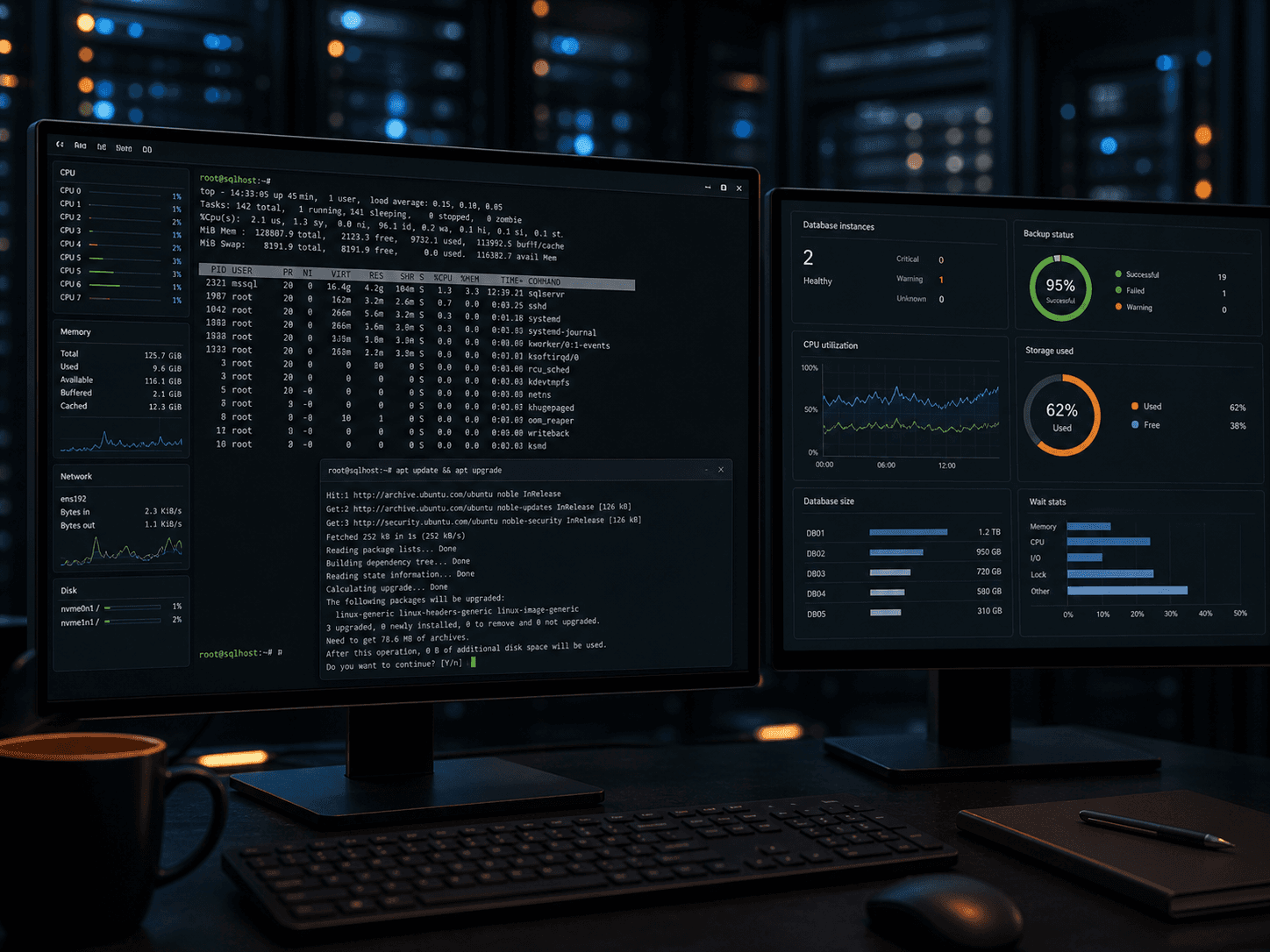
SQL Server 2025 on Linux Is a Platform Decision
SQL Server OperationsThe April 2026 SQL Server 2025 Linux release notes make platform support part of the database decision: RHEL 10 and Ubuntu 24.04 are current paths, while SLES is no longer supported for SQL Server 2025.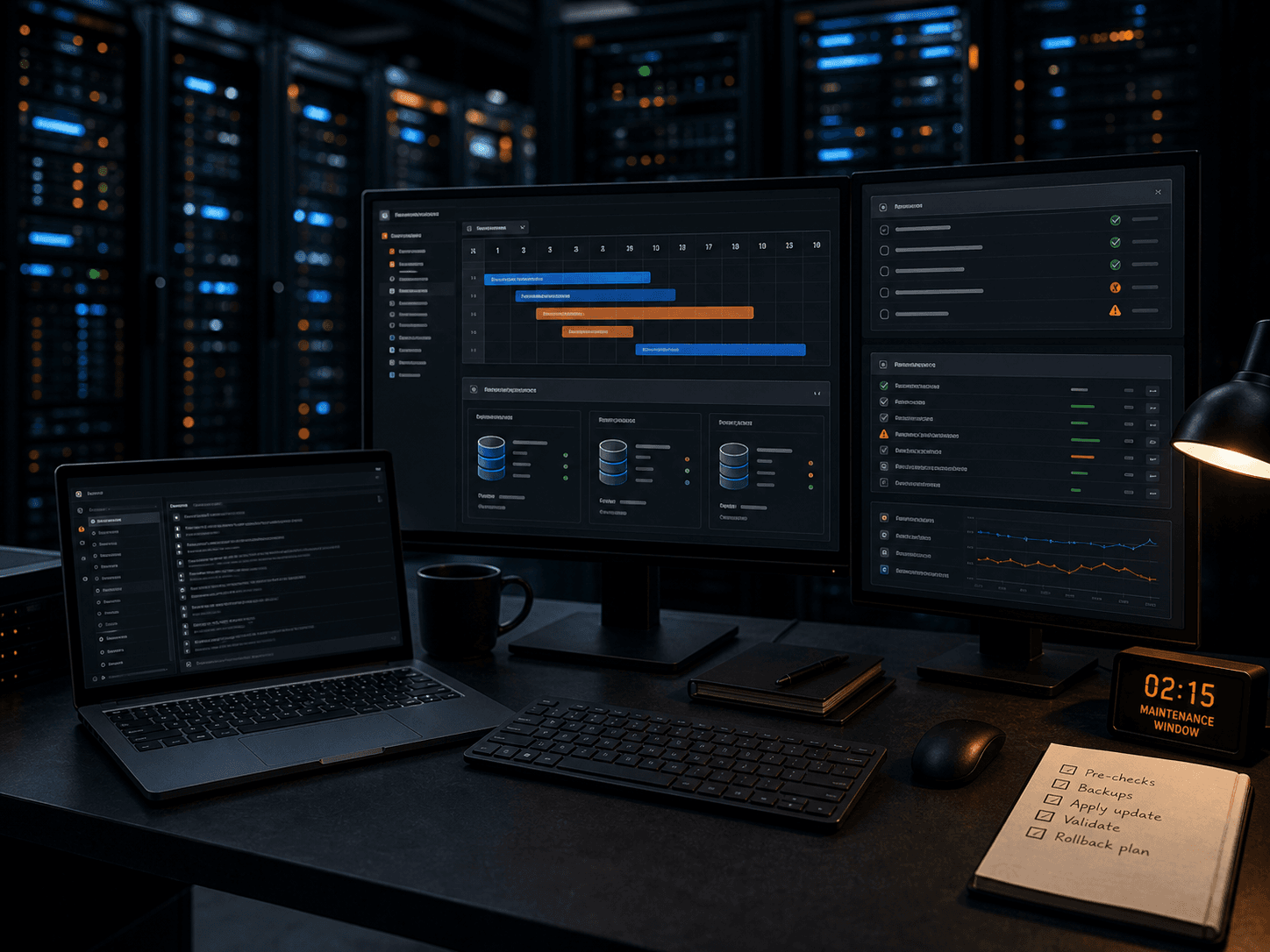
SQL Server Patching Is a Production Discipline
SQL Server OperationsMicrosoft's April 2026 SQL Server 2025 security and CU releases are a useful reminder that database patching is not a calendar task. It needs workload awareness, HA sequencing, and a tested rollback path.
Infrastructure Is Boring Again, and That Is the Real Story of 2026
Infrastructure StrategyApril 2026 delivered a more useful infrastructure lesson than any hype cycle: identity patching, boot trust, SQL security, and end-of-support planning still meet in the same place, which is production risk.
VMware Is No Longer Just a Hypervisor Decision
Virtualization StrategyThe March and April 2026 VMware partner changes matter because they push virtualization out of a simple feature comparison and into a harder question about supplier concentration, support continuity, and how quickly workloads can move when the commercial model shifts.
AI Infrastructure Has a Power Problem, Not a Model Problem
Infrastructure StrategyThe hottest infrastructure story in April 2026 is not another model launch. It is the fact that AI demand is pushing power, cooling, and permitting into the critical path for real platform decisions.
Veeam's March CVEs Are a Reminder That Backup Is a Tier-One System
Backup ArchitectureVeeam's March 12, 2026 security advisories and its April 14 resilience report point to the same operational lesson: backup platforms cannot be treated as passive insurance because they now sit directly inside the blast radius of real production risk.
Why Datacenter Control Matters Again
Infrastructure StrategyRecent VMware, Microsoft, and Veeam signals point in the same direction: teams are investing in datacenter and private-cloud control again because supportability, recovery, and workload placement still need tighter ownership than generic platform narratives allow.
The Biggest Myth in IT: The Future Was Never Cloud-Only
Infrastructure StrategyThe enduring mistake in infrastructure strategy was never cloud itself, but the belief that every workload should land on the same platform.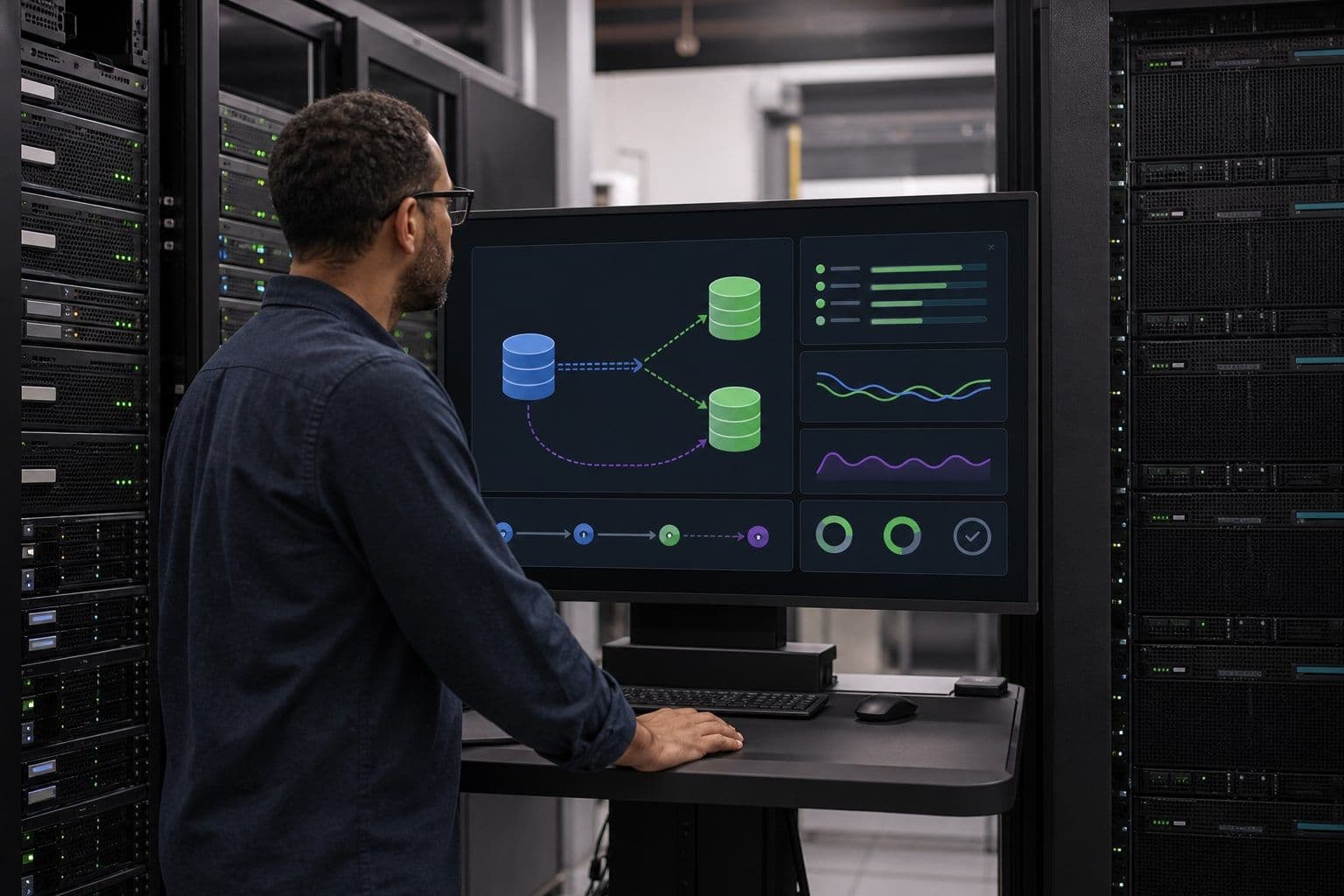
SQL Server 2025 and Always On: What Matters for Real HA Environments
SQL Server 2025SQL Server 2025 introduces several changes that matter directly for Always On estates, especially around readable secondaries, concurrency behavior, and tempdb control.
Object First and Veeam: What Immutable Backup Design Should Actually Solve
Backup ArchitectureImmutable storage only becomes useful when it simplifies Veeam operations instead of wrapping backup teams in more storage complexity. Object First is interesting because it tries to move immutability into the default platform shape.
Immutability Without Operational Drag
Backup ArchitectureImmutable backup design only becomes useful when it stays fast, understandable, and credible during restore pressure. Good designs reduce operational complexity instead of adding more backup folklore.
SQL Server Performance in Real Environments
SQL ServerPerformance work becomes more useful when it is tied to concurrency, resilience, and operational behavior instead of isolated tuning tasks. Stable systems are usually the result of good tradeoffs, not heroic query tuning.