Windows 10 Enterprise LTSC 2021 reaches end of support on January 12, 2027. Microsoft is preparing paid Extended Security Updates, with sales expected to begin in September 2026. The deadline is close enough that remaining devices can no longer be treated as a background inventory issue. Every installation needs an owner, a reason to remain, and a funded path beyond the support date.
Why it matters in production
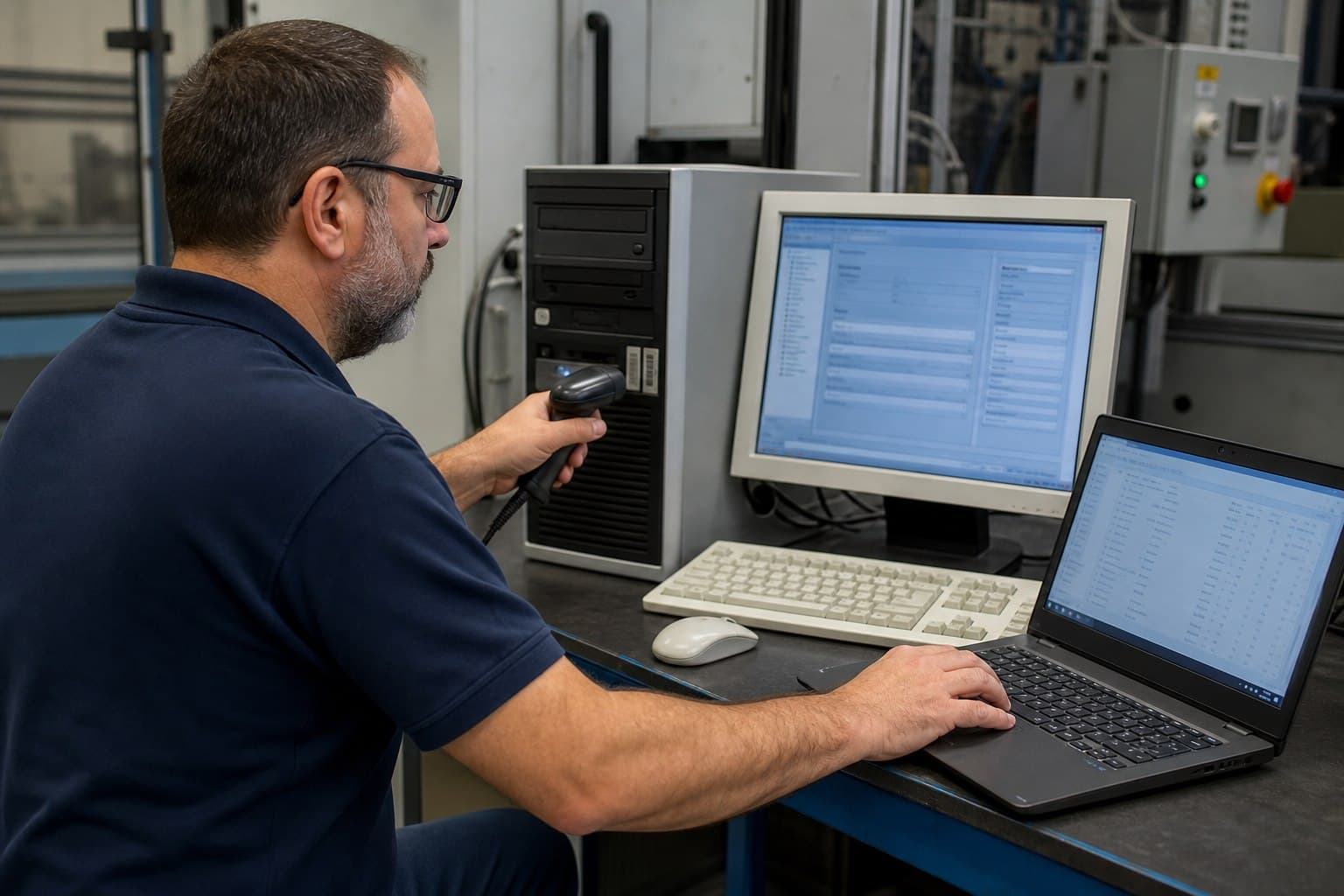
The inventory must separate Enterprise LTSC from IoT Enterprise LTSC. Their lifecycle dates are different, and a product name that looks similar can lead to the wrong migration decision. Teams should collect edition, build, hardware model, application dependency, device purpose, network exposure, and replacement owner. A simple Windows 10 count will mix ordinary endpoints with kiosks, laboratory systems, production equipment, and embedded devices that have very different constraints.
Paid ESU is a bridge, not a destination. Its cost should be compared with hardware replacement, application remediation, virtualization, isolation, and support effort. Devices that cannot move because of a validated business dependency deserve an explicit exception. Devices that remain only because nobody tested the application are carrying delay rather than a technical requirement.
The migration plan also needs evidence. A replacement device should be tested with peripherals, drivers, authentication, security controls, management tooling, and the real application workflow. Procurement lead times and change windows matter as much as operating-system compatibility. September purchasing decisions need a verified population, not an estimate assembled shortly before January.

Practical takeaway
The practical takeaway is that LTSC postpones feature change, not lifecycle work. Separate the editions, assign each remaining device to migration or a time-limited ESU exception, and prove the replacement path before support ends. An exception becomes manageable only when its owner, cost, controls, and exit date are visible.