Broadcom's VCF 5.2.x to 9.1 upgrade guidance makes the main risk visible before any bundle is installed: the destination changes more than version numbers. Management components move into the VCF Operations model, prerequisites become stricter, and old assumptions about names, credentials, and integrations can block progress. Readiness is therefore a separate project phase, not the first hour of the maintenance window.
Why it matters in production
Small prerequisites deserve early attention because they stop automated workflows decisively. The guide calls out items such as lowercase FQDNs, working forward and reverse DNS, and vCenter root-password length requirements. These checks sound administrative until an environment carries years of naming history, external certificates, scripts, monitoring references, and password-vault policy around them.
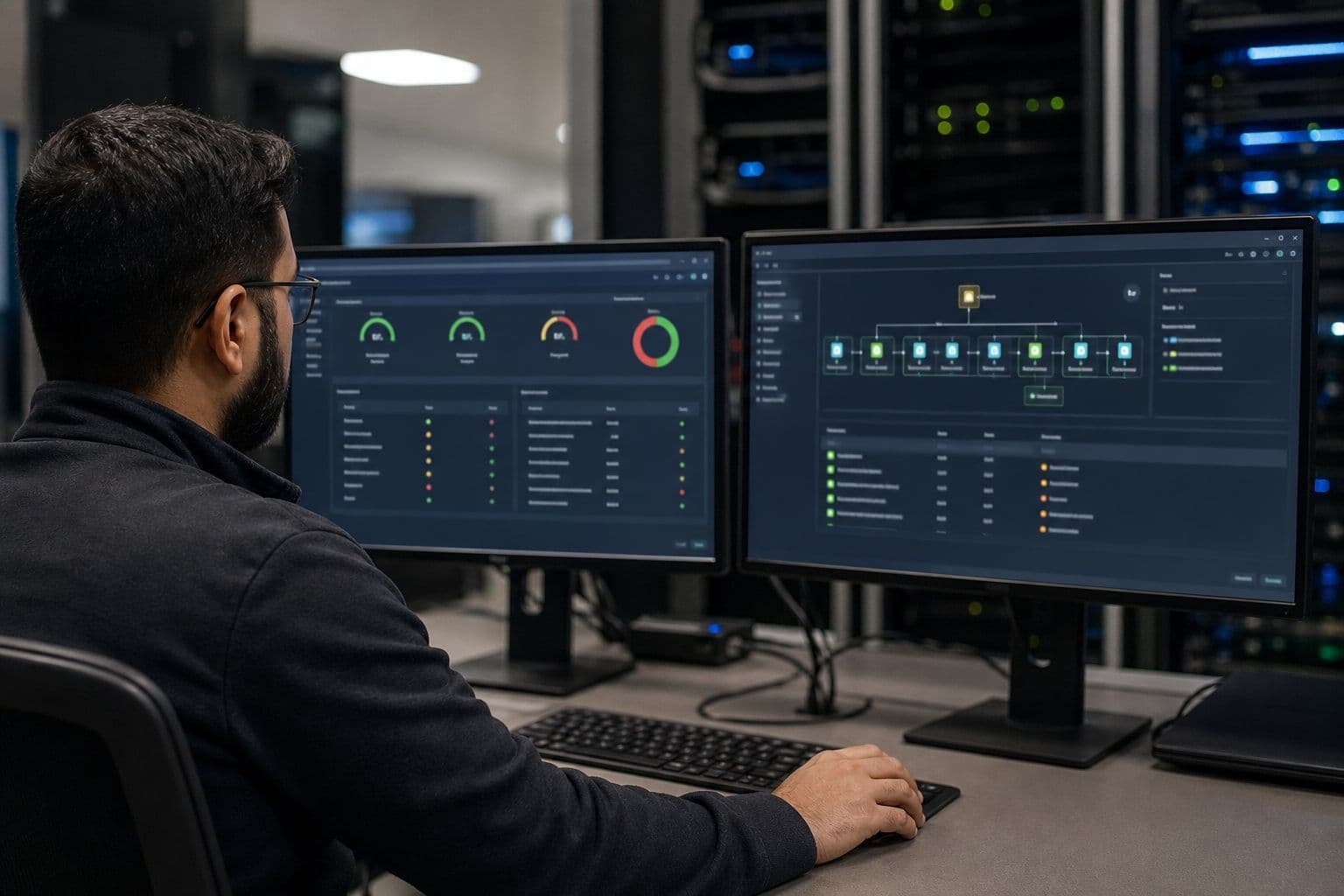
The management-plane transition also needs an ownership map. Teams should identify what currently depends on Aria components, where dashboards and alerts move, which APIs or credentials integrations use, and how capacity changes during coexistence. Backup, logging, authentication, depot access, and lifecycle management should each have a named validation step and rollback evidence.
A controlled approach runs the planning and precheck tools early, resolves DNS and certificate issues outside the window, tests credentials, verifies free capacity, and captures current health before change. Rehearse the sequence in a representative environment where possible. The go/no-go decision should reference open findings and recovery paths, not only whether the upgrade bundle downloaded successfully.

Practical takeaway
The practical takeaway is that a VCF 9.1 upgrade is an operating-model migration. The teams that treat naming, identity, observability, capacity, and recovery as first-class prerequisites can use the window for execution. The teams that postpone them will use the window to rediscover the architecture under time pressure.