CVE-2026-62893 is a critical remote-code-execution vulnerability in the Windows Deployment Services TFTP component. It is reachable without authentication and Microsoft considers exploitation more likely. The operational risk is amplified by the way deployment infrastructure ages: a WDS server may remain online long after the organization changed imaging tools because a small site, recovery process, or undocumented device class still depends on it.
Why it matters in production
The first step is not to assume that the CMDB knows every PXE path. Teams should inspect DHCP options and policies, IP helpers, DNS records, firewall rules, deployment task sequences, boot-image timestamps, and recent WDS logs. That evidence distinguishes an active service from a forgotten role and shows which networks can reach TFTP. A server with no recent deployments may still be exposed broadly.
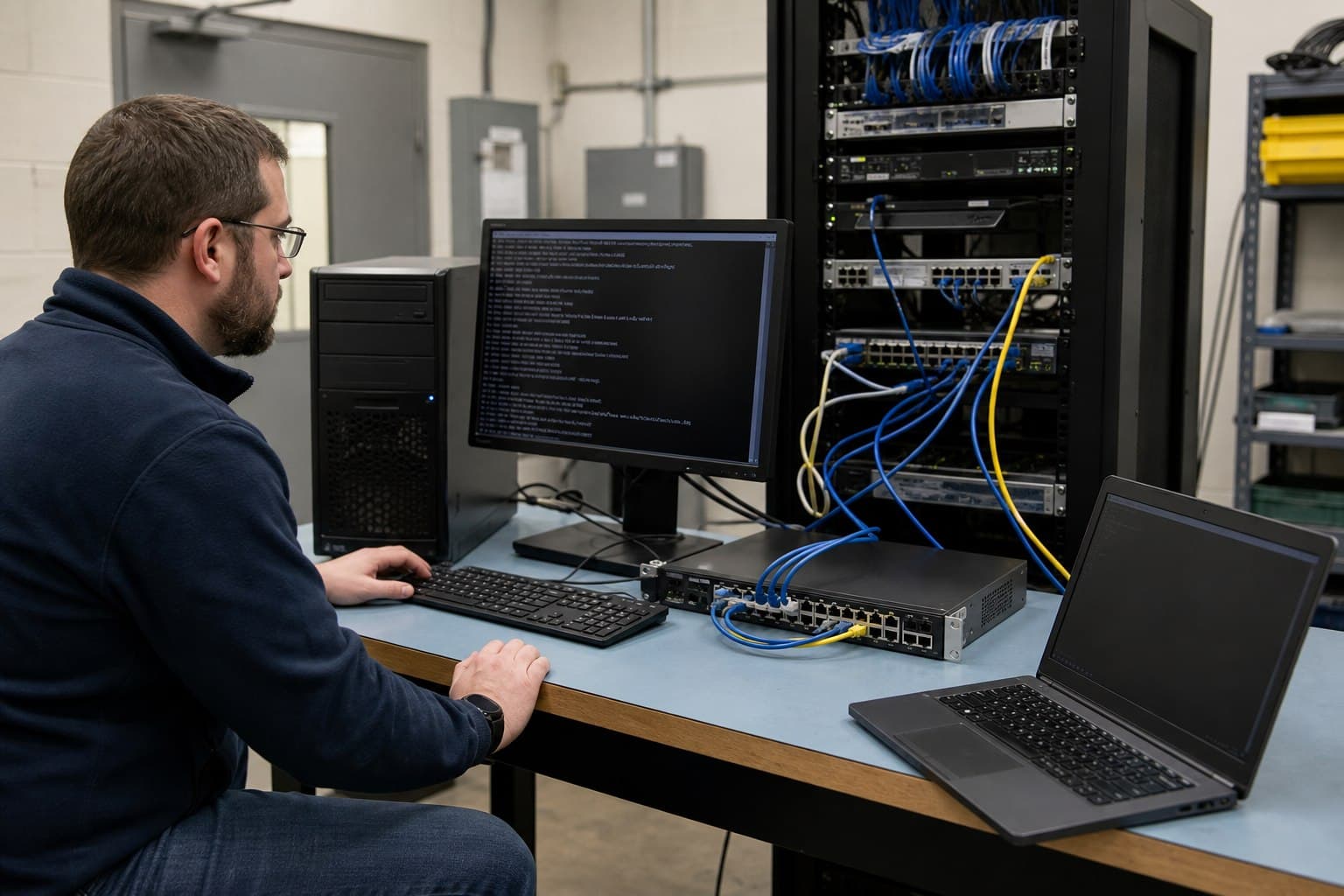
Patching needs an end-to-end boot test. Confirm that representative BIOS and UEFI clients receive the right boot program, download the image, reach the deployment environment, and can access required content. Changes to TFTP behavior can reveal old clients or tuning assumptions that a service-level health check misses. The validation should cover at least one remote or relayed subnet where PXE remains supported.
If the role is no longer needed, removal is better than indefinite patching. Retire helpers and DHCP policies, archive required images and configuration, close firewall paths, and document the replacement recovery procedure. If WDS remains necessary, assign an owner, reduce reachable networks, monitor usage, and include it in the normal infrastructure patch ring rather than waiting for the next critical advisory.

Practical takeaway
The practical takeaway is that legacy deployment services must be either operated or removed. Inventory real PXE dependencies, patch and test the complete boot path, then eliminate unused TFTP exposure. The most dangerous deployment server is often the one that still listens even though nobody believes it is production.