Dell advisory DSA-2026-327 updates PowerVault ME5 systems for vulnerabilities in several embedded software components. The array may be sold and operated as an appliance, but its HTTP, TLS, compression, language-runtime, and database dependencies still create patch debt. Appliance status is not an exemption from software lifecycle management.
Why it matters in production
Inventory each array by model, controller firmware, management exposure, host mappings, disk groups, replication, snapshots, support status, and dependent clusters. Confirm that the target release is supported for the exact host operating systems, multipath software, HBAs, switches, and management tools.
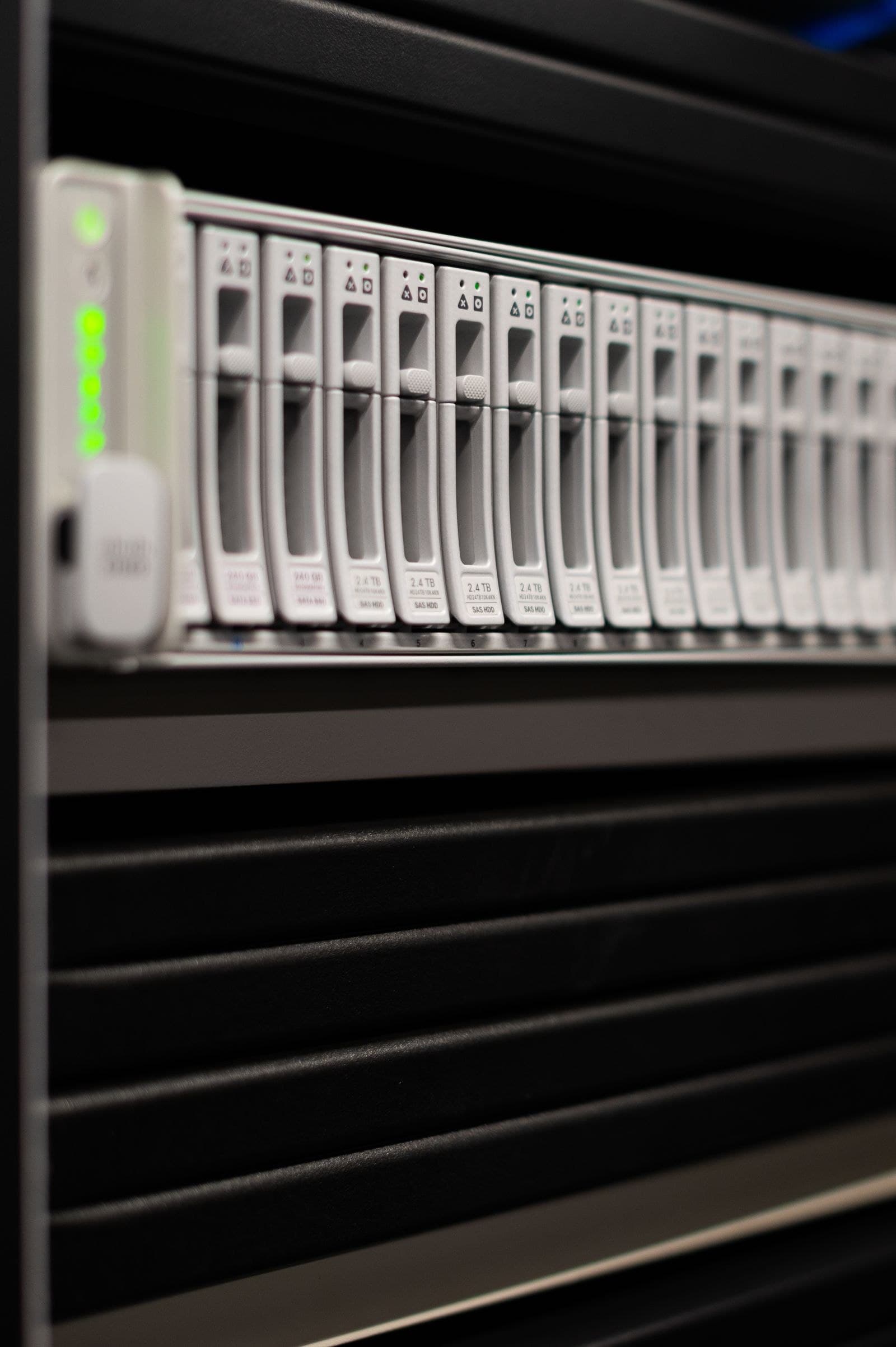
Before updating, validate controller and disk health, redundant paths, recent backups, configuration export, free capacity, alerts, and out-of-band support access. Schedule around rebuilds or other degraded states, and define what happens if one controller does not return cleanly.
Post-change testing should cover both controllers, management authentication and certificates, host I/O across every path, ALUA or multipath state, performance, snapshots, replication, alerts, and failover. Security closure requires a working storage service, not merely matching firmware versions.

Practical takeaway
The practical takeaway is to include storage firmware in the same governed security baseline as servers and network devices. Patch the dependencies inside the appliance, but prove the data path outside it. The array is secure only when it is current and still recoverably serves its hosts.