Das entscheidende Sicherheitssignal im Mai 2026 ist nicht, dass KI Verteidiger unterstützen kann. Diese Aussage ist bereits zu allgemein, um nützlich zu sein. Der wichtigere Punkt ist, dass KI die Zeit zwischen Schwachstellenerkennung, Nachweis, Patch-Erzeugung und Beleg der Behebung verkürzt. OpenAIs Daybreak richtet dies unmittelbar auf sichere Codeprüfungen, Bedrohungsmodellierung, Patchvalidierung, Analyse von Abhängigkeitsrisiken, Erkennung und Hinweise zur Behebung innerhalb des Entwicklungszyklus aus. Microsoft argumentiert mit MDASH, seinem agentischen Multi-Modell-Scanwerkzeug zur Erkennung und Validierung von Schwachstellen, aus Plattformperspektive ähnlich.
Bedeutung für den Betrieb
Der Zeitpunkt ist wichtig, weil laut Verizon DBIR 2026 die Ausnutzung von Schwachstellen erstmals in der 19-jährigen Geschichte des Berichts gestohlene Zugangsdaten als häufigsten Einstiegspunkt bei Sicherheitsverletzungen überholt hat. Verizon gibt außerdem an, dass KI das defensive Zeitfenster für bekannte Schwachstellen von Monaten auf Stunden verkürzt. Das bedeutet nicht, dass jede Organisation morgen eine Sicherheitsplattform mit einem führenden Modell kaufen muss. Es bedeutet jedoch, dass eine langsame Patchaufnahme, manuelle Suche nach Verantwortlichen, unklare Testringe und schwache Belege der Behebung zu größeren Risiken werden als bisher.
Microsofts MDASH-Beispiel zeigt, warum das Betriebsmodell ebenso wichtig ist wie das Modell. Microsoft beschreibt ein System, das eine Codebasis vorbereitet, mögliche Pfade scannt, Ergebnisse validiert und sie mit Verantwortlichen sowie der Auslieferung am Patch Tuesday verknüpft. Entscheidend ist nicht nur, dass es 16 CVEs im Patch-Tuesday-Zyklus vom Mai 2026 gefunden hat. Entscheidend ist, dass die Ergebnisse einen festgelegten Weg hatten: Triage, Verantwortung, Validierung, Veröffentlichung und Offenlegung. Ohne diesen umgebenden Prozess erzeugt schnellere Erkennung lediglich eine größere Warteschlange ungelöster Risiken.
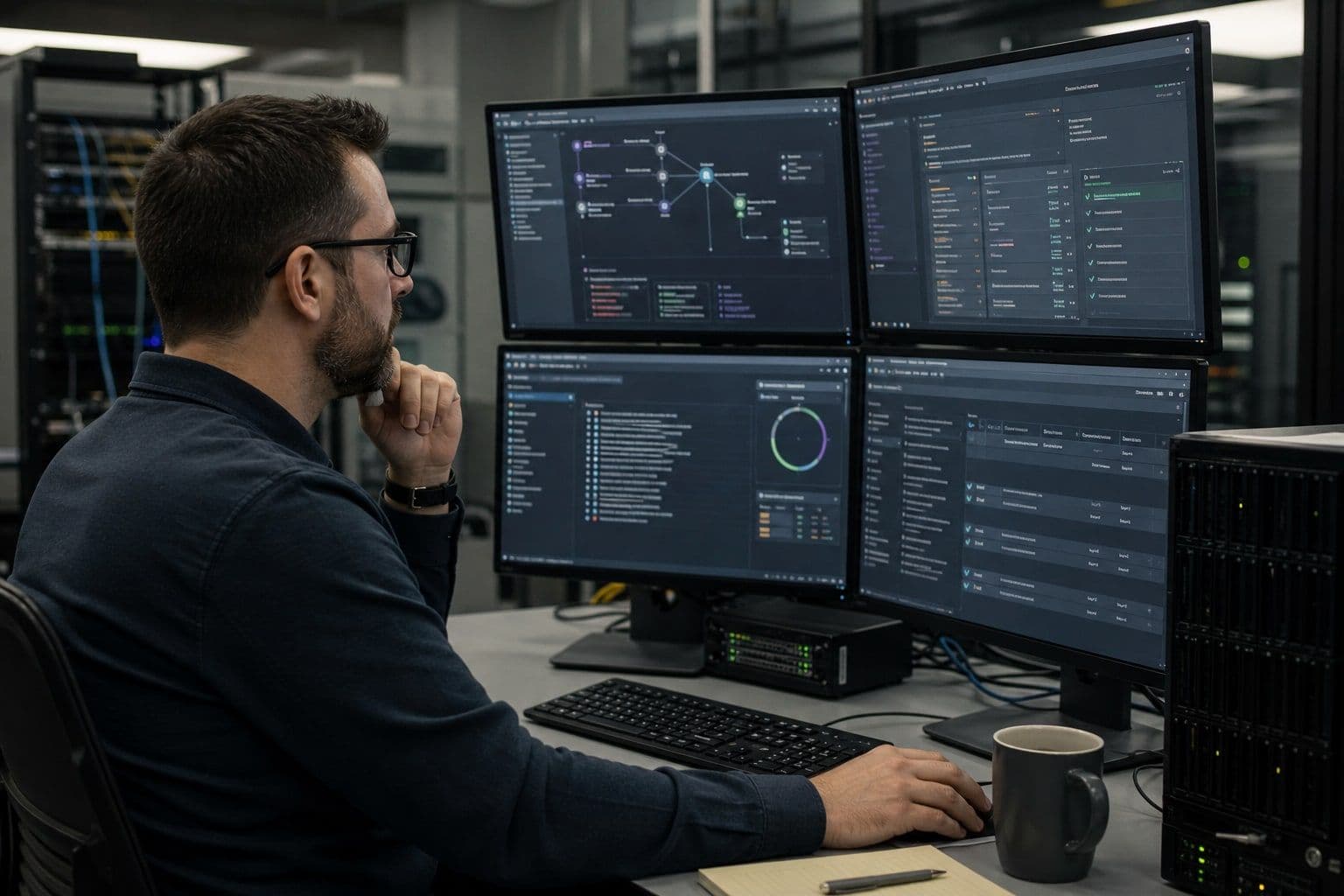
Daybreak wirft dasselbe Problem aus einer anderen Richtung auf. Patches direkt an Repositorys zu erzeugen und zu testen klingt leistungsfähig, doch Produktionsteams müssen weiterhin Umfang, Zugriff, Prüfverantwortung, Rollbackverhalten und Aufbewahrung der Nachweise festlegen. Ein von einem Agenten vorgeschlagener Patch ist betrieblich erst vollständig, wenn der Verantwortliche erklären kann, was geändert und getestet wurde, welche Umgebungen berührt wurden, welches Verhalten der Abhängigkeiten geprüft wurde und wie die Korrektur nach der Veröffentlichung nachverfolgt wird.
Hier werden viele Sicherheitsprogramme den Druck spüren. Schwachstellenmanagement kann keine monatliche Tabellenkalkulationsübung bleiben, wenn Erkennung, Analyse der Ausnutzbarkeit und Patchvalidierung mit Maschinengeschwindigkeit ablaufen. Das nützliche Fundament bleibt grundlegend: ein korrektes Asset-Inventar, risikobasierte Priorisierung, getestete Patchringe, klare Verantwortlichkeit, Zugriff nach dem Prinzip der geringsten Rechte für Sicherheitswerkzeuge und Nachweise, die eine Prüfung oder Störungsanalyse überstehen. KI erhöht die Geschwindigkeitsanforderung; sie beseitigt nicht den Bedarf an diesen Kontrollen.
Praktische Konsequenz
Die praktische Schlussfolgerung lautet, KI-Sicherheit dort einzuführen, wo sie den Behebungszyklus strafft, und nicht dort, wo sie einen weiteren Strom von Ergebnissen ohne Verantwortliche erzeugt. Teams sollten zunächst den aktuellen Weg vom Sicherheitshinweis bis zur validierten Korrektur messen und KI-Unterstützung dann bei Triage, Patchtests, Codeprüfungen und Nachweiserzeugung einsetzen, wo die Übergabe bereits klar geregelt ist. Im Jahr 2026 wird der Vorteil nicht dem Team mit der längsten Schwachstellenliste gehören, sondern dem Team, das validierte Erkenntnisse in kontrollierte Änderungen verwandeln kann, bevor sich das Zeitfenster für Angriffe schließt.