Die relevante Rechenzentrumsnachricht im Mai 2026 ist nicht eine weitere Aussage darüber, dass KI mehr Strom benötigt. Das ist bereits offensichtlich. Das wichtigere betriebliche Signal ist, dass KI-Rechenzentren zu aktiven Teilnehmern im umgebenden Stromsystem werden. NERC gab am 4. Mai eine Warnung der Stufe 3 heraus, weil große Rechenlasten, einschließlich KI-Training und klassischer Rechenzentrumsnutzung, inzwischen Risiken erzeugen, die Übertragungsplaner, Betreiber und Bilanzierungsstellen modellieren, untersuchen, instrumentieren und koordinieren müssen.
Bedeutung für den Betrieb
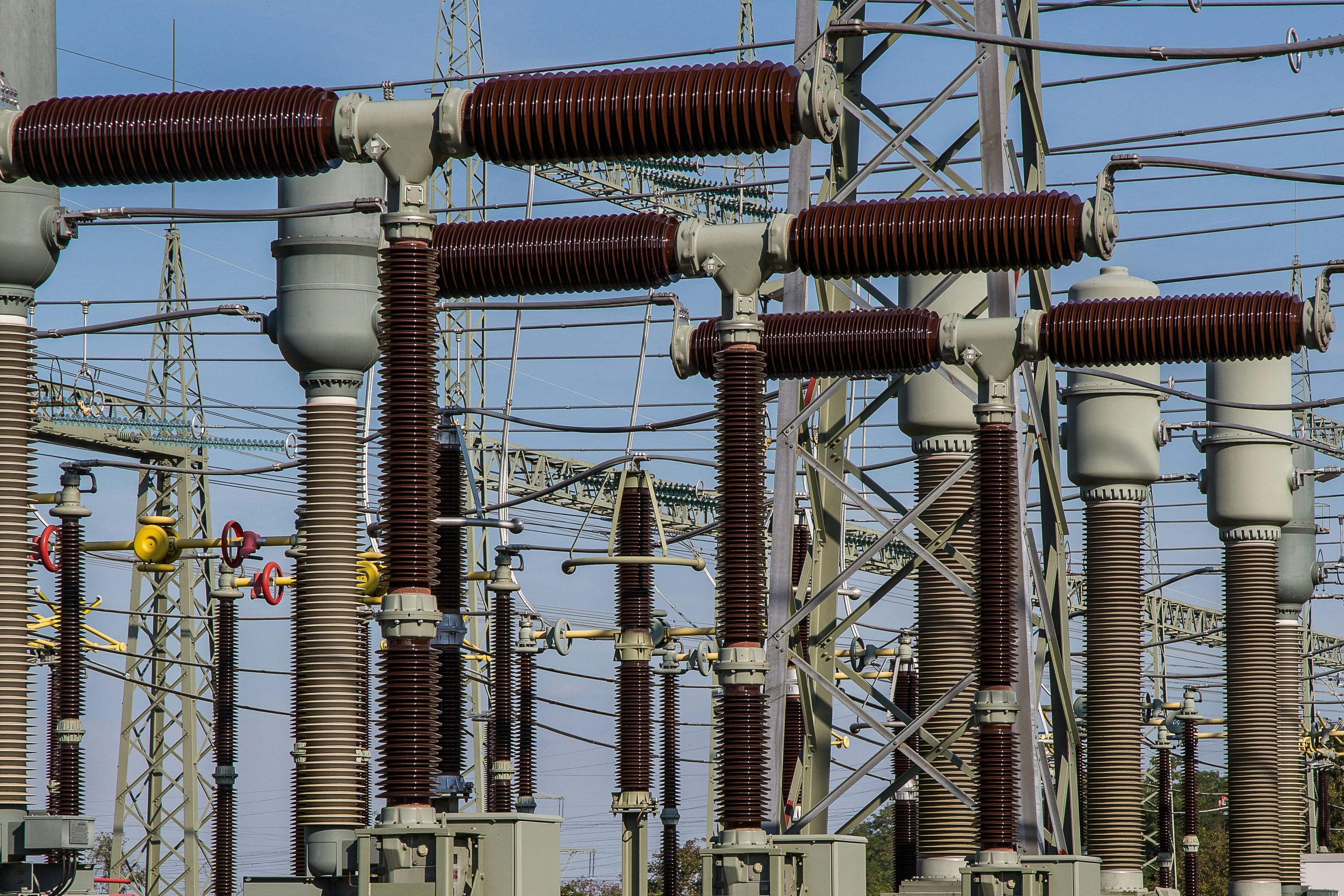
Das verändert, wie Infrastrukturteams Kapazitätsankündigungen lesen sollten. Eine Megawattangabe ist nicht länger nur eine Kennzahl für Beschaffung oder Bau. Sie beschreibt eine Last, die lokale Stabilität, Fehlerverhalten, Schutzeinstellungen, Inbetriebnahmetests und die Kommunikation mit dem Versorger beeinflussen kann. Die Warnung von NERC ist wichtig, weil sie Rechenlast in die Sprache von Zuverlässigkeitsverpflichtungen überführt, anstatt sie als weitere große Kundenanfrage am Rand des Stromnetzes zu behandeln.
Das Marktsignal bewegt sich in dieselbe Richtung. Monitoring Analytics berichtete am 14. Mai, dass die gesamten Großhandelsstromkosten von PJM von 77,78 US-Dollar pro MWh im ersten Quartal 2025 auf 136,53 US-Dollar pro MWh im ersten Quartal 2026 gestiegen seien, und erklärte, die jüngsten Ergebnisse der Kapazitätsauktion seien vor allem wegen des prognostizierten Bedarfs von Rechenzentren nicht wettbewerbsfähig gewesen. Der Entwicklungsüberblick von Data Center Knowledge für Mai verwies außerdem auf neue Tarif- und Gesetzgebungsaktivitäten in Wisconsin und North Carolina, mit denen Großverbraucher einen größeren Teil der Infrastrukturkosten tragen sollen. Für Gebäudeteams ist das keine Nebendebatte. Es wird bestimmen, wo Kapazität genehmigt wird und wie der Betriebsvertrag aussieht.
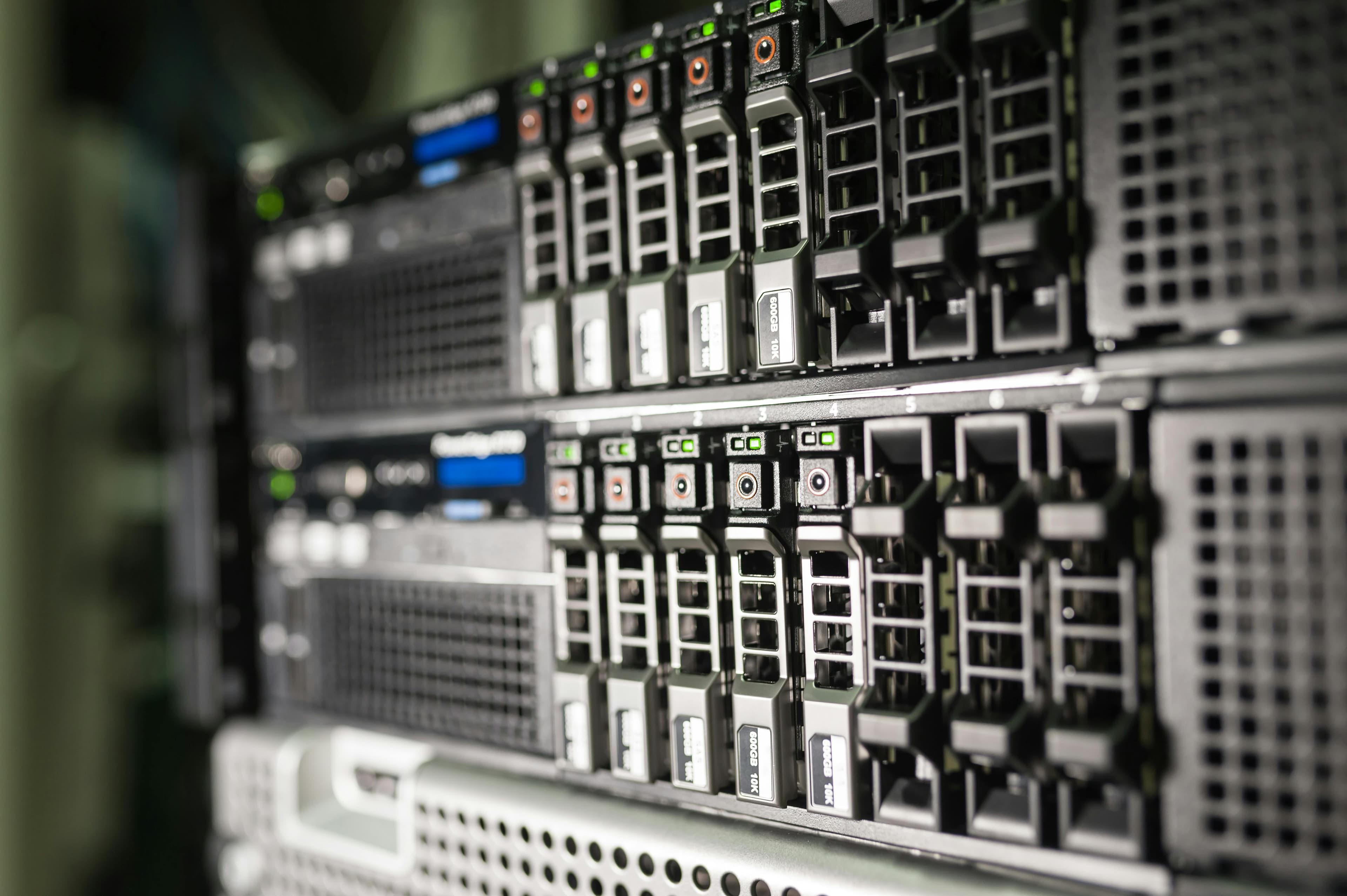
Auch die Hardwareschicht passt sich an. Dells Ankündigung von PowerRack auf der Dell Technologies World 2026 bündelte Rechenleistung, Netzwerk, Speicher, Verwaltung und Unterstützung für Flüssigkeitskühlung in einem validierten System auf Rack-Ebene, darunter eine PowerCool CDU mit 220 kW im 4-HE-Formfaktor. Interessant ist nicht der Produktname, sondern die zugrunde liegende Designannahme: Dicht bestückte KI-Racks sind so anspruchsvoll, dass Stromversorgung, Kühlung, Netzwerkstruktur, Validierung und Lebenszyklusmanagement als ein System behandelt werden müssen, statt als eine Gruppe von Komponenten, die erst spät im Projekt zusammengesetzt wird.
Für Infrastrukturteams in Unternehmen lautet die praktische Lehre, dass die Platzierung von KI inzwischen ein netzbewusstes Betriebsmodell benötigt. Bevor Arbeitslasten einem hochverdichteten Standort anvertraut werden, sollten Teams den Anschlussweg zum Versorger, Annahmen zur Lastbegrenzung, die lokale Stromversorgung, den thermischen Rahmen, das Verhalten der Notstromversorgung, Überwachungsverantwortlichkeiten und den Kommunikationsprozess bei Störungen verstehen. Eine Plattform, die aus IT-Sicht bereit erscheint, kann dennoch anfällig sein, wenn Annahmen zu Stromversorgung und Anlage undokumentiert sind oder jemand anderem gehören.
Praktische Konsequenz
Die Schlussfolgerung ist nicht, dass jede Organisation ein eigenes KI-Rechenzentrum bauen sollte. Vielmehr haben Entscheidungen über KI-Infrastruktur eine Grenze überschritten. Sie liegen nun zwischen IT-Architektur, Gebäudetechnik, Versorgungsplanung, Finanzen und Risikomanagement. Die Kontrolle behalten werden jene Teams, die die gesamte Betriebskette erklären können: wo die Arbeitslast läuft, woher der Strom kommt, wie das Rack gekühlt wird, was bei einer Netzstörung geschieht und wer Entscheidungsbefugnis hat, wenn diese Welten aufeinandertreffen.